In the dynamic landscape of electronic components, understanding the nuances between different types of connectors is crucial for both manufacturers and end – users. As a supplier of board – to – board connectors, I am often asked about the differences between board – to – board connectors and high – speed connectors. This blog aims to shed light on these differences to help you make informed decisions when it comes to your electronic design needs. Board-to-Board Connector
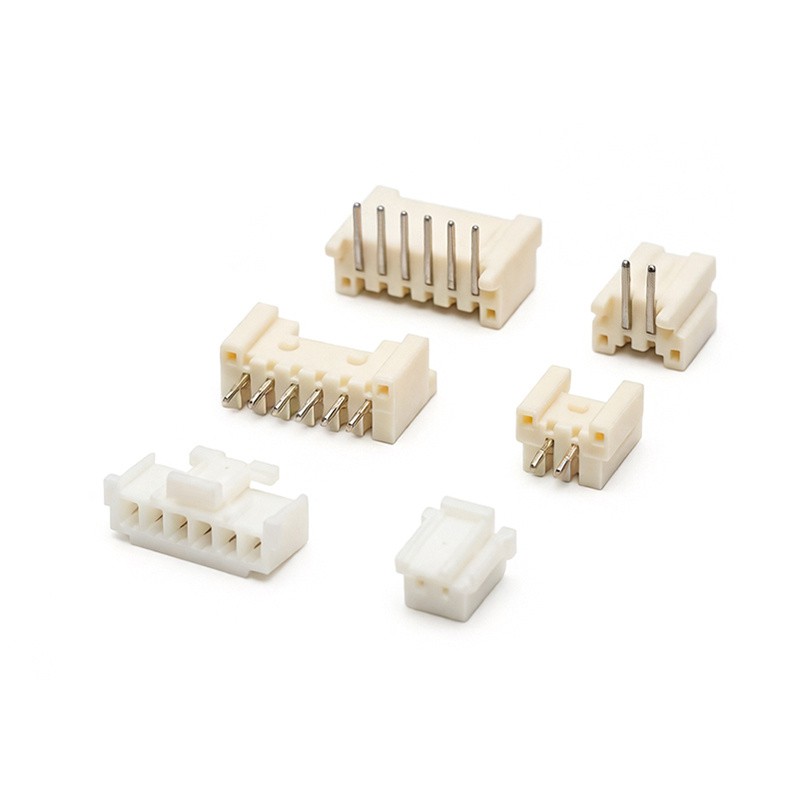
1. Definition and Basic Function
Board – to – board connectors are designed to connect two printed circuit boards (PCBs) together. They provide a mechanical and electrical connection, allowing the transfer of power, signals, and data between the boards. These connectors come in various shapes, sizes, and configurations, depending on the specific application requirements. For example, in a smartphone, board – to – board connectors are used to connect the main board to other sub – boards such as the display board or the camera board.
On the other hand, high – speed connectors are specialized connectors that are optimized for the transmission of high – frequency signals. They are designed to minimize signal loss, crosstalk, and electromagnetic interference (EMI) to ensure reliable data transfer at high speeds. High – speed connectors are commonly used in applications such as data centers, telecommunications, and high – performance computing, where large amounts of data need to be transferred quickly and accurately.
2. Electrical Performance
One of the most significant differences between board – to – board connectors and high – speed connectors lies in their electrical performance.
Board – to – Board Connectors
Board – to – board connectors typically operate at relatively lower frequencies. They are mainly designed to provide a stable electrical connection for power and low – to – medium – speed signals. The impedance of board – to – board connectors is usually less critical compared to high – speed connectors. However, they still need to maintain a certain level of electrical continuity to ensure proper functioning of the connected PCBs. For example, in a consumer electronics device, a board – to – board connector might be used to transfer power and simple control signals between different boards, and the signal frequencies involved are usually in the range of a few megahertz.
High – Speed Connectors
High – speed connectors are engineered to handle high – frequency signals, often in the gigahertz range. They are designed with precise impedance matching to minimize signal reflections and ensure maximum signal integrity. The design of high – speed connectors takes into account factors such as the dielectric constant of the insulating material, the spacing between the contacts, and the geometry of the connector. For instance, in a high – speed data transmission system, a high – speed connector might be required to transmit data at speeds of 10 Gbps or higher, and any deviation in impedance can lead to significant signal degradation.
3. Mechanical Design
The mechanical design of board – to – board connectors and high – speed connectors also differs significantly.
Board – to – Board Connectors
Board – to – board connectors come in a wide variety of mechanical designs. They can be either vertical or horizontal, depending on the orientation of the connected PCBs. Some board – to – board connectors are designed to be surface – mountable, while others are through – hole mounted. The key consideration in the mechanical design of board – to – board connectors is to ensure a secure and reliable connection between the two PCBs. For example, some board – to – board connectors use a locking mechanism to prevent accidental disconnection, which is particularly important in applications where the device may be subject to vibrations or shocks.
High – Speed Connectors
High – speed connectors often have a more complex mechanical design. They need to be precisely aligned to ensure proper signal transmission. The contact design of high – speed connectors is also crucial, as it directly affects the electrical performance. High – speed connectors may use specialized contact materials and plating to reduce contact resistance and improve signal quality. In addition, high – speed connectors are often designed to be shielded to minimize EMI. For example, in a high – speed backplane application, the connectors need to be carefully aligned and shielded to prevent crosstalk between adjacent signal paths.
4. Application Scenarios
The differences in electrical performance and mechanical design lead to different application scenarios for board – to – board connectors and high – speed connectors.
Board – to – Board Connectors
Board – to – board connectors are widely used in a variety of consumer electronics, industrial equipment, and automotive applications. In consumer electronics, they are used to connect different modules within a device, such as the battery module, the display module, and the main board. In industrial equipment, board – to – board connectors are used to connect different control boards and sensor boards. In the automotive industry, they are used in various electronic systems, such as the engine control unit, the infotainment system, and the safety systems.
High – Speed Connectors
High – speed connectors are mainly used in applications that require high – speed data transfer. Data centers are one of the major application areas for high – speed connectors, where they are used to connect servers, storage devices, and network switches. Telecommunications equipment, such as routers and switches, also rely on high – speed connectors to transmit large amounts of data over long distances. High – performance computing systems, including supercomputers and graphics processing units (GPUs), also use high – speed connectors to ensure fast data transfer between different components.
5. Cost Considerations
Cost is another important factor when comparing board – to – board connectors and high – speed connectors.
Board – to – Board Connectors
Board – to – board connectors are generally more cost – effective compared to high – speed connectors. This is because they have relatively simpler designs and do not require the same level of precision and specialized materials as high – speed connectors. In addition, the manufacturing process for board – to – board connectors is usually less complex, which also contributes to the lower cost. For small – scale projects or applications where high – speed data transfer is not required, board – to – board connectors are a more economical choice.
High – Speed Connectors
High – speed connectors are more expensive due to their complex design and the need for high – quality materials. The manufacturing process for high – speed connectors is also more precise and requires advanced manufacturing techniques. The cost of high – speed connectors can be a significant factor in the overall cost of a project, especially in large – scale applications such as data centers. However, the performance benefits they offer in terms of high – speed data transfer often justify the higher cost.
Conclusion
In conclusion, board – to – board connectors and high – speed connectors have distinct differences in terms of electrical performance, mechanical design, application scenarios, and cost. Board – to – board connectors are suitable for applications that require stable power and low – to – medium – speed signal transfer, while high – speed connectors are designed for applications that demand high – frequency signal transmission.
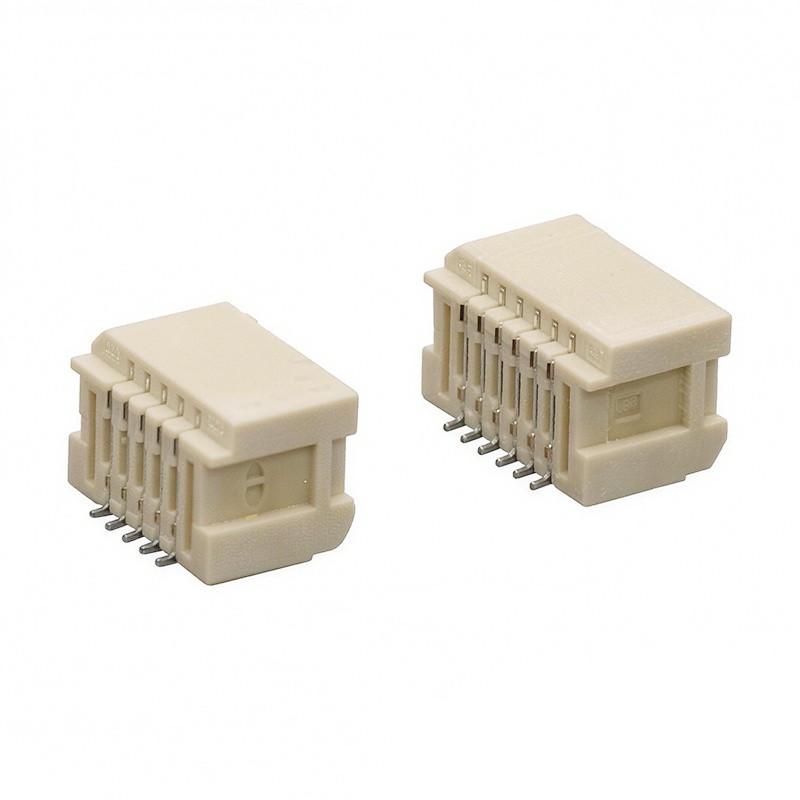
As a supplier of board – to – board connectors, I understand the importance of providing high – quality products that meet the specific needs of our customers. Whether you are working on a consumer electronics project, an industrial application, or an automotive system, our board – to – board connectors offer reliable performance and cost – effective solutions.
Wire-to-Board Connector If you are interested in learning more about our board – to – board connectors or have specific requirements for your project, I encourage you to reach out to us for a detailed discussion. We are committed to providing you with the best products and services to meet your needs.
References
- Grob, Bernard. "Basic Electronics." McGraw – Hill Education, 2017.
- Johnson, Howard W., and Martin Graham. "High – Speed Signal Propagation: Advanced Black Magic." Prentice Hall, 2003.
- Montrose, Mark I. "Printed Circuit Board Design Techniques for EMC Compliance: A Handbook for Designers." Wiley, 2000.
Wenzhou JKUN Connector Co., Ltd.
As one of the most professional board-to-board connector manufacturers and suppliers in China, we’re featured by quality products and low price. Please rest assured to wholesale bulk customized board-to-board connector from our factory. For quotation and free sample, contact us now.
Address: No.2667, Ningkang East Road, Yueqing City, Zhejiang Province, China
E-mail: sales@cnjkun.com
WebSite: https://www.jkunjcj.com/
