What is the calibration frequency for a Decanter Centrifuge?
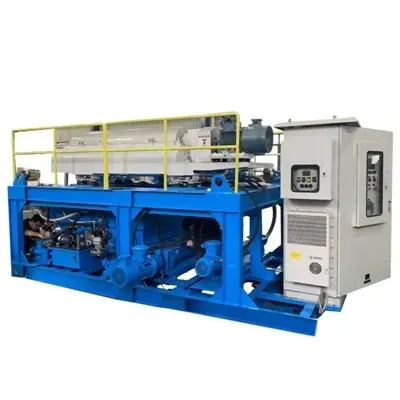
As a supplier of decanter centrifuges, I’ve encountered numerous inquiries from clients regarding the calibration frequency of these vital pieces of equipment. Decanter centrifuges are widely used in various industries, including wastewater treatment, food processing, and chemical manufacturing, to separate solids from liquids efficiently. Ensuring the accurate calibration of these machines is crucial for maintaining optimal performance, product quality, and operational safety. In this blog post, I’ll delve into the factors influencing the calibration frequency of a decanter centrifuge and provide some general guidelines to help you determine the appropriate schedule for your specific application. Decanter Centrifuge
Understanding the Importance of Calibration
Calibration is the process of comparing the output of a measuring instrument or device to a known standard to ensure its accuracy. In the context of a decanter centrifuge, calibration involves adjusting various parameters, such as speed, temperature, and flow rate, to ensure that the machine is operating within the specified tolerances. Regular calibration is essential for several reasons:
- Accuracy and Precision: A properly calibrated decanter centrifuge ensures accurate and precise separation of solids and liquids, resulting in consistent product quality and process efficiency.
- Compliance: Many industries have strict regulatory requirements regarding the accuracy and reliability of equipment. Regular calibration helps ensure compliance with these standards and avoids potential fines or penalties.
- Safety: A decanter centrifuge operating outside of its specified tolerances can pose a safety risk to operators and the surrounding environment. Calibration helps identify and correct any potential issues before they lead to accidents or equipment failures.
- Cost Savings: By maintaining optimal performance, a well-calibrated decanter centrifuge can reduce energy consumption, minimize downtime, and extend the lifespan of the equipment, resulting in significant cost savings over time.
Factors Influencing Calibration Frequency
The calibration frequency of a decanter centrifuge depends on several factors, including the following:
- Manufacturer’s Recommendations: The manufacturer of the decanter centrifuge typically provides guidelines regarding the recommended calibration frequency based on the specific model and application. These recommendations should be followed as a starting point, but they may need to be adjusted based on the actual operating conditions.
- Operating Conditions: The frequency of calibration may need to be increased if the decanter centrifuge is operating in harsh or demanding conditions, such as high temperatures, high pressures, or corrosive environments. These conditions can cause wear and tear on the equipment, leading to changes in its performance over time.
- Usage Frequency: If the decanter centrifuge is used frequently, it may require more frequent calibration to ensure its accuracy and reliability. Conversely, if the equipment is used infrequently, the calibration frequency may be reduced.
- Maintenance History: A well-maintained decanter centrifuge is less likely to experience significant changes in its performance over time. Regular maintenance, including cleaning, lubrication, and inspection, can help extend the time between calibrations.
- Process Requirements: The specific requirements of the process being performed by the decanter centrifuge can also influence the calibration frequency. For example, if the process requires a high degree of accuracy and precision, more frequent calibration may be necessary.
General Guidelines for Calibration Frequency
While the calibration frequency of a decanter centrifuge can vary depending on the factors mentioned above, the following general guidelines can be used as a starting point:
- Initial Calibration: Before putting a new decanter centrifuge into operation, it should be calibrated to ensure that it is operating within the specified tolerances. This initial calibration should be performed by a qualified technician using the manufacturer’s recommended procedures and equipment.
- Regular Calibration: After the initial calibration, the decanter centrifuge should be calibrated at regular intervals to ensure its continued accuracy and reliability. The frequency of calibration will depend on the factors mentioned above, but a general rule of thumb is to calibrate the equipment at least once a year.
- Preventive Maintenance Calibration: In addition to regular calibration, it is also recommended to perform preventive maintenance calibration as part of the equipment’s maintenance schedule. This can help identify and correct any potential issues before they lead to equipment failures or downtime.
- Post-Repair Calibration: If the decanter centrifuge has been repaired or modified, it should be calibrated before being put back into operation to ensure that it is still operating within the specified tolerances.
Monitoring and Documentation
In addition to regular calibration, it is also important to monitor the performance of the decanter centrifuge on an ongoing basis to detect any changes or trends that may indicate a need for calibration. This can be done by monitoring key parameters, such as speed, temperature, and flow rate, and comparing them to the manufacturer’s specifications. Any significant deviations from the specifications should be investigated and addressed promptly.
It is also important to maintain accurate records of all calibration activities, including the date, time, and results of each calibration. These records can be used to demonstrate compliance with regulatory requirements, track the performance of the equipment over time, and identify any potential issues or trends.
Conclusion
In conclusion, the calibration frequency of a decanter centrifuge depends on several factors, including the manufacturer’s recommendations, operating conditions, usage frequency, maintenance history, and process requirements. By following the general guidelines outlined in this blog post and monitoring the performance of the equipment on an ongoing basis, you can ensure that your decanter centrifuge is operating at its optimal level of accuracy and reliability.
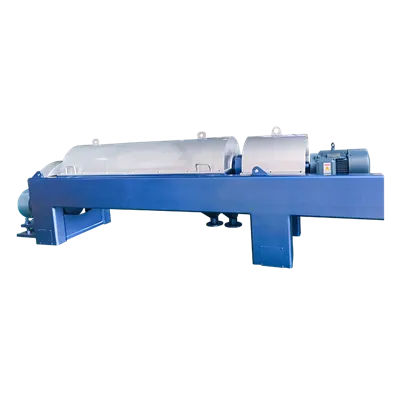
2 Phase Decanter Centrifuge If you have any questions or need further assistance regarding the calibration of your decanter centrifuge, please don’t hesitate to contact us. Our team of experienced technicians is available to provide you with the support and guidance you need to ensure the smooth and efficient operation of your equipment.
References
- Manufacturer’s manuals and documentation for decanter centrifuges.
- Industry standards and regulations related to equipment calibration and maintenance.
- Technical literature and research articles on decanter centrifuge operation and performance.
Lishui Yuanrong Environmental Protection Equipment Co., Ltd.
As one of the most professional decanter centrifuge manufacturers and suppliers in China, we have world-leading production equipment and strong manufacturing capabilities. Please feel free to buy customized decanter centrifuge from our factory. Also, quotation is available.
Address: Lot 6-1, Block 15, Wanyang Zongchuang City, Lishui, Zhejiang, China
E-mail: 361184920@qq.com
WebSite: https://www.yrhdc.com/
