Hey there! I’m a bauxite supplier, and today I wanna chat about the financial aspects of bauxite mining projects. It’s a topic that’s super important for anyone involved in this industry, whether you’re a miner, an investor, or just someone curious about how the money side of things works. Bauxite
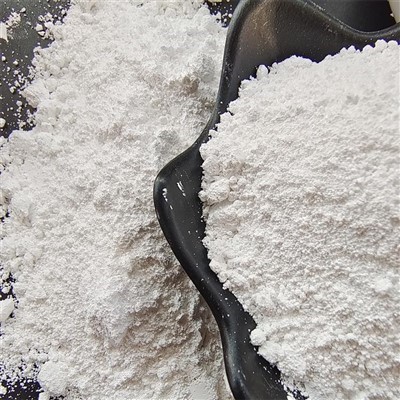
First off, let’s talk about the initial investment. Bauxite mining projects require a huge chunk of change right from the start. You gotta buy the land where the bauxite is located, or at least get the rights to mine it. That can cost a fortune, especially if the area has high – quality bauxite deposits. Then, there’s the cost of exploration. You need to figure out exactly how much bauxite is there, what its quality is, and how easy it’ll be to extract. This involves sending out geologists, using all sorts of high – tech equipment like drills and sensors. All these things add up, and it can take months or even years before you really know what you’re dealing with.
Once you’ve got the land and done the exploration, it’s time to set up the mining operation. You need to build roads, install power lines, and construct processing plants. These are all major capital expenditures. For example, building a proper processing plant to turn bauxite into alumina can cost hundreds of millions of dollars. You also need to buy a lot of heavy machinery, like excavators, trucks, and crushers. These machines are not cheap, and they need to be maintained regularly.
Another big financial aspect is the cost of labor. Bauxite mining is a labor – intensive industry. You need miners, engineers, technicians, and administrative staff. Paying these people can be a significant expense, especially if you’re operating in an area where labor costs are high. And don’t forget about benefits and safety training. Safety is a top priority in mining, and providing proper training and safety equipment for your workers is not only the right thing to do but also adds to the overall cost.
Now, let’s move on to the revenue side. The main source of income for a bauxite mining project is, of course, selling the bauxite. The price of bauxite can vary a lot depending on the global market. Factors like supply and demand, economic conditions in major consuming countries, and the cost of competing materials all play a role. For instance, if there’s a lot of bauxite on the market and demand is low, the price will drop. On the other hand, if there’s a shortage of bauxite due to production problems in other mines, the price can go up.
One thing to keep in mind is that not all bauxite is created equal. High – quality bauxite with a high alumina content can fetch a much higher price than lower – quality stuff. So, as a supplier, I always focus on getting the best – quality bauxite possible. It might cost a bit more to extract, but it’s worth it in the long run because I can sell it for a better price.
There are also some additional revenue streams. For example, some bauxite mines can produce other valuable minerals as by – products. These by – products can be sold, which adds a little extra cash to the bottom line.
Then, there are the ongoing operational costs. These include things like fuel for the machinery, maintenance of the equipment, and the cost of transporting the bauxite to the market. Fuel prices can be volatile, and if they go up, it can really eat into the profit margins. Maintenance is also crucial. If you don’t maintain your equipment properly, it can break down, which means lost production time and costly repairs.
Transportation costs can be a major factor, too. Bauxite is heavy and bulky, so it’s expensive to move. If you’re far from a port or a major transportation hub, you’ll have to pay more to get your bauxite to the customers. This is something that I always consider when I’m looking at new mining projects. I try to find locations that are close to good transportation links to keep the costs down.
Another financial aspect is taxes and royalties. Governments usually charge taxes on mining operations, and they also often collect royalties based on the amount of bauxite mined. These can be a significant expense, but they’re also a way for the government to benefit from the natural resources in their country. As a responsible supplier, I make sure to pay all my taxes and royalties on time.
Financing is also a key part of bauxite mining projects. Most mining companies can’t afford to fund these projects entirely on their own. They need to raise capital from investors or take out loans from banks. This means dealing with interest rates and repayment schedules. If interest rates are high, it can make the cost of borrowing more expensive, which can put a strain on the project’s finances.
Risk management is another important financial consideration. There are a lot of risks in bauxite mining, like geological risks (the bauxite might not be as good as you thought), market risks (the price of bauxite could drop), and environmental risks (you might face fines if you don’t follow environmental regulations). To manage these risks, companies often buy insurance, which is another cost.
In conclusion, bauxite mining projects have a lot of financial aspects to consider. It’s a complex business, but if you manage it right, it can be very profitable. As a bauxite supplier, I’ve learned to balance the costs and the revenues, and to always be prepared for unexpected expenses.

If you’re interested in buying bauxite, I’d love to have a chat with you. We can discuss the quality of our bauxite, the price, and the delivery options. Just reach out, and we can start a great business relationship.
Talc References:
- "Mining Economics: Principles and Practice" by R. K. Verma
- Industry reports from mining associations and research firms
Lingshou County LM Mineral Products Co., Ltd.
As one of the most professional bauxite manufacturers and suppliers in China, we’re featured by quality products and good service. Please rest assured to buy customized bauxite made in China here from our factory. Contact us for more details.
Address: Dongzhuang Village, Nanyanchuan Township, Lingshou County, Shijiazhuang City, Hebei Province
E-mail: lmwtwz@163.com
WebSite: https://www.lmwtz.com/
