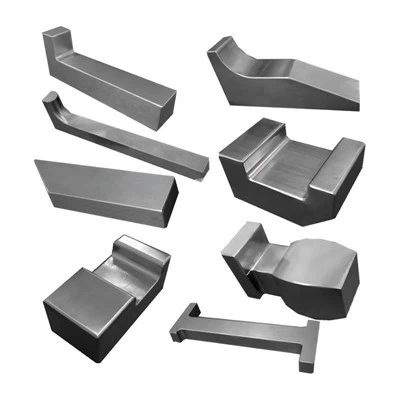
As a supplier of Tantalum Precision Parts, I’ve dedicated a significant amount of time to understanding the intricacies of these high – performing materials and components. Tantalum, with its remarkable physical and chemical properties, is a popular choice in various industries such as aerospace, electronics, and medical devices. However, like any precision component, there are always ways to enhance its performance. In this blog post, I’ll share some effective strategies based on my years of experience in the field. Tantalum Precision Parts
1. Material Selection and Purity
The foundation of high – performance Tantalum Precision Parts lies in the quality of the tantalum material itself. Tantalum exists in different grades, and the purity level can significantly impact the performance of the final part. Higher purity tantalum generally exhibits better corrosion resistance, thermal conductivity, and electrical conductivity.
When selecting tantalum for our parts, we conduct thorough quality checks on the raw materials. We source from reliable suppliers who can provide detailed certificates of analysis, ensuring that the tantalum meets or exceeds the required purity standards. For applications in the electronics industry, where even the slightest impurity can disrupt electrical signals, we often opt for tantalum with a purity level of 99.95% or higher.
In addition to purity, the grain structure of the tantalum also matters. A fine – grained structure can improve the mechanical properties of the parts, such as strength and ductility. We use advanced metallurgical techniques to control the grain size during the manufacturing process, which helps to enhance the overall performance of the Tantalum Precision Parts.
2. Advanced Manufacturing Techniques
The manufacturing process plays a crucial role in determining the performance of Tantalum Precision Parts. Traditional machining methods can sometimes introduce surface defects, residual stresses, and dimensional inaccuracies, which may compromise the part’s performance.
To overcome these challenges, we adopt a range of advanced manufacturing techniques. One such method is Electrical Discharge Machining (EDM). EDM is a non – traditional machining process that uses electrical discharges to remove material from the workpiece. This technique is particularly suitable for tantalum because it can produce complex shapes with high precision and minimal surface damage. The absence of mechanical forces in EDM also helps to reduce the generation of residual stresses, resulting in parts with better mechanical properties.
Another advanced technique we use is Powder Metallurgy (PM). PM involves the production of parts by compacting and sintering metal powders. This method allows for the precise control of the part’s composition and microstructure, which can lead to improved performance. For example, by using PM, we can incorporate different alloying elements into the tantalum matrix to enhance its specific properties, such as hardness or wear resistance.
3. Surface Treatment and Coating
The surface of Tantalum Precision Parts can have a significant impact on their performance. A well – treated surface can improve corrosion resistance, reduce friction, and enhance the part’s biocompatibility in medical applications.
We offer a variety of surface treatment options for our tantalum parts. One common treatment is passivation. Passivation is a chemical process that forms a protective oxide layer on the surface of the tantalum, which helps to prevent corrosion. By carefully controlling the passivation process parameters, such as the chemical composition of the passivating solution and the treatment time, we can optimize the thickness and quality of the oxide layer.
In addition to passivation, we also provide coating services. For example, we can apply diamond – like carbon (DLC) coatings to our tantalum parts. DLC coatings are known for their excellent hardness, low friction coefficient, and high wear resistance. These coatings can significantly improve the performance of the parts, especially in applications where there is significant sliding or abrasive contact.
4. Quality Control and Testing
Quality control is an essential part of ensuring the high performance of Tantalum Precision Parts. We implement a comprehensive quality control system that starts from the raw material inspection and continues throughout the manufacturing process and final product testing.
During the manufacturing process, we use advanced inspection equipment such as Coordinate Measuring Machines (CMMs) to ensure the dimensional accuracy of the parts. CMMs can measure the part’s dimensions with high precision, allowing us to detect any deviations from the design specifications early on.
We also perform a series of non – destructive testing (NDT) methods, such as ultrasonic testing and X – ray inspection, to detect internal defects in the parts. These methods can identify defects such as cracks, voids, or inclusions that may not be visible on the surface, which could potentially affect the part’s performance.
In addition to dimensional and NDT testing, we also conduct performance testing on our Tantalum Precision Parts. For example, we test the electrical conductivity of parts used in electronics applications and the corrosion resistance of parts used in harsh environments. These performance tests help us to ensure that the parts meet the required standards and perform as expected in real – world applications.
5. Design Optimization
The design of Tantalum Precision Parts can also have a significant impact on their performance. A well – designed part can take full advantage of the unique properties of tantalum and meet the specific requirements of the application.
We work closely with our customers during the design phase to understand their needs and provide design optimization suggestions. For example, in aerospace applications, we may optimize the design of tantalum parts to reduce weight while maintaining their strength and durability. We use advanced computer – aided design (CAD) and finite element analysis (FEA) tools to simulate the performance of the parts under different conditions and make design adjustments accordingly.
By optimizing the design, we can not only improve the performance of the Tantalum Precision Parts but also reduce the manufacturing cost and lead time.
Conclusion

Improving the performance of Tantalum Precision Parts requires a comprehensive approach that encompasses material selection, manufacturing techniques, surface treatment, quality control, and design optimization. As a supplier, we are committed to using the latest technologies and best practices to ensure that our Tantalum Precision Parts meet the highest standards of performance and quality.
Titanium Products If you are in the market for high – performance Tantalum Precision Parts or want to discuss how we can improve the performance of your existing parts, we invite you to contact us for a procurement negotiation. Our team of experts is ready to work with you to find the best solutions for your specific needs.
References
- ASM Handbook Volume 2: Properties and Selection: Nonferrous Alloys and Special – Purpose Materials
- Metals Handbook Desk Edition, Third Edition
- "Tantalum and Niobium: Properties, Processing, and Applications" by Y. Komaba et al.
Address: Wangjing Science and Technology Park, Guangshun North Street, Chaoyang District, Beijing
E-mail: sales@moly-tungsten.com
WebSite: https://www.moly-tungsten.com/
