Hey there! I’m a supplier of Short Circuit Impedance equipment, and today I want to chat with you about the safety measures for short circuit impedance in an industrial plant. It’s super important stuff, and I’ve got some real – world insights to share. Short Circuit Impedance
Let’s start from the basics. Short circuit impedance is a key parameter in electrical systems, especially in industrial settings. In an industrial plant, there’s a whole bunch of electrical equipment and machinery humming along, all interconnected. When there’s a short circuit, the electrical current can go haywire, and that can lead to some pretty serious problems, like electrical fires, equipment damage, and even pose a risk to the safety of the workers.
1. Regular Inspections
One of the most fundamental safety measures is regular inspections. I always tell my clients that you can’t just set up your electrical system and forget about it. You’ve got to keep an eye on things. Inspect the electrical panels, cables, and switchgear regularly. Look for any signs of wear and tear, like frayed wires, loose connections, or overheating components. A simple visual inspection can sometimes catch problems before they turn into big disasters.
For example, a loose connection can lead to an increase in resistance. According to Ohm’s Law (V = IR), when the resistance goes up, if there’s a short circuit, the voltage drop across the connection can cause arcing. This arcing can generate enough heat to start a fire. So, during inspections, make sure all connections are tight, and the cables are in good condition.
2. Proper Earthing and Grounding
Earthing and grounding are like the safety nets in an electrical system. They provide a low – resistance path for the electrical current to flow to the ground in case of a short circuit. In an industrial plant, all electrical equipment should be properly earthed. This means having a good quality earthing system installed, with the right conductors and connections.
I’ve seen some cases where ground wires were incorrectly installed or damaged over time. When this happens, if a short circuit occurs, the electrical current may not have a clear path to the ground. Instead, it could flow through other parts of the equipment or even through the building structure, which is extremely dangerous. So, make sure to check the earthing system regularly, and use high – quality grounding materials.
3. Use of Protective Equipment
Protecting your electrical system with the right equipment is crucial. Circuit breakers and fuses are the first line of defense against short circuits. They are designed to automatically interrupt the electrical current when it exceeds a certain level. It’s important to choose the right rated circuit breakers and fuses for your equipment.
If you use a circuit breaker with a too – high rating, it may not trip when there’s a short circuit, allowing excessive current to flow through the system. On the other hand, if the rating is too low, it may trip frequently during normal operation, causing unnecessary downtime. So, work with an experienced electrical engineer to select the appropriate protective equipment.
Another piece of protective equipment that’s often overlooked is surge protectors. Surges can be caused by lightning strikes or sudden changes in the electrical load. These surges can damage sensitive electrical equipment. Surge protectors can divert the excess voltage to the ground, protecting your equipment from damage.
4. Training for Staff
I can’t stress enough the importance of training your staff. They are the ones who operate and maintain the electrical systems in the industrial plant. Make sure they know how to recognize the signs of a potential short circuit, like strange noises or smells coming from electrical equipment.
Train them on how to operate the protective equipment safely. For example, if a circuit breaker trips, they should know the proper procedure to reset it. They should also be aware of the safety protocols in case of an electrical emergency, like how to shut off the power quickly and safely.
5. Load Management
In an industrial plant, it’s easy to overload the electrical system. With so many machines running at the same time, the total electrical load can exceed the capacity of the system. This can lead to overheating and increase the risk of short circuits.
So, it’s important to manage the electrical load properly. You can do this by scheduling the operation of different machines at different times. For example, if you have some high – power machines, don’t run them all at once. You can also invest in energy – efficient equipment, which consumes less power and reduces the overall load on the system.
6. Monitoring and Testing
Continuous monitoring and periodic testing of the short circuit impedance are essential. You can use specialized equipment to measure the short circuit impedance of your electrical system regularly. This will help you detect any changes in the impedance over time.
If the short circuit impedance changes significantly, it could indicate a problem in the system, like a damaged cable or a faulty component. By detecting these changes early, you can take corrective action before a short circuit occurs.
7. Emergency Response Plan
Despite all the preventive measures, there’s always a chance that a short circuit can happen. That’s why having an emergency response plan is crucial. The plan should include procedures for shutting off the power, evacuating the area in case of a fire or other emergency, and dealing with injured personnel.
Make sure all the staff is familiar with the emergency response plan and conducts regular drills to ensure a quick and effective response in case of an actual emergency.

As a Short Circuit Impedance supplier, I’ve seen firsthand how these safety measures can make a big difference in an industrial plant. By implementing these measures, you can significantly reduce the risk of short circuits, protect your equipment, and most importantly, ensure the safety of your workers.
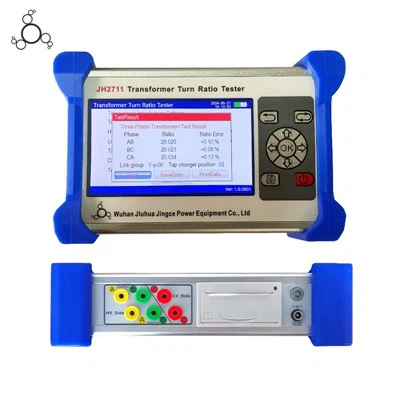
Transformer Turns Ratio Tester If you’re looking to improve the safety of your industrial plant’s electrical system in terms of short circuit impedance, I’d love to have a chat with you. Feel free to reach out for more information and we can discuss how our products and solutions can fit your needs.
References
- Electrical Safety Codes and Standards. International Electrotechnical Commission (IEC).
- Ohm’s Law and Electrical Circuits. Fundamentals of Electric Circuits textbook.
- Inspecting and Maintaining Electrical Systems in Industrial Plants. Electrical Maintenance Handbook.
Wuhan Jiuhua Jingce Power Equipment Co., Ltd.
As one of the most experienced short circuit impedance manufacturers in China, we offer a wide range of products with superior quality. Please feel free to wholesale bulk durable short circuit impedance from our factory. For price consultation, contact us.
Address: 601,Unit 1,Building D4-02,Optics Valley Center,303 OpticsValley Avenue,Wuhan
E-mail: market@wuhanjhjc.com
WebSite: https://www.powertransformertester.com/
