How to Store Structural Bolts Properly
As a supplier of structural bolts, I’ve witnessed firsthand the significant impact of proper storage on the quality and performance of these essential fasteners. Structural bolts play a critical role in various construction and engineering projects, providing the much – needed stability and strength. Therefore, it’s of utmost importance to store them correctly to ensure their integrity and functionality. Structural Bolts
1. Understand the Basics of Structural Bolts
Before delving into storage methods, it’s essential to understand the nature of structural bolts. These bolts are made from high – strength steel, often heat – treated to achieve specific mechanical properties. They come in various types, such as ASTM A325 and ASTM A490, each with its own chemical composition and performance requirements. The manufacturing process and the materials used make them vulnerable to certain environmental factors.
One of the most common issues that can affect structural bolts is corrosion. Corrosion can weaken the bolts, reducing their load – bearing capacity and potentially compromising the safety of the structures they are used in. Moisture, oxygen, and certain chemicals are the main culprits behind corrosion. Additionally, physical damage, such as scratches or dents, can also undermine the bolts’ performance.
2. Choose the Right Storage Location
The first step in proper storage is selecting an appropriate location. The storage area should be dry and well – ventilated. A humidity level of less than 60% is ideal. High humidity can accelerate the corrosion process, especially if the bolts are not properly protected.
Indoor storage is generally preferred over outdoor storage. If outdoor storage is unavoidable, the bolts should be stored in a covered area, such as a shed or under a waterproof tarp. The storage area should also be protected from direct sunlight, as prolonged exposure to sunlight can cause the bolts’ coating to degrade over time.
The storage location should be clean and free from debris, dust, and chemicals. Chemicals, such as acids or alkalis, can react with the surface of the bolts and cause corrosion. It’s also important to ensure that the storage area is not prone to flooding or water leaks, as water can cause immediate rusting of the bolts.
3. Use Suitable Storage Containers
Once you have selected the right storage location, the next step is to choose the appropriate storage containers. For small – scale storage, plastic bins or metal boxes can be used. These containers should be sealed tightly to prevent moisture and dust from entering. Label the containers clearly with the type, size, and grade of the bolts to make it easier to locate the specific bolts you need.
For larger – scale storage, pallet racks are a good option. The bolts can be stored in bulk on the pallets, but they should be covered with a protective layer, such as a plastic sheet. This will help to keep the bolts clean and dry. It’s also important to stack the pallets in a stable manner to prevent them from toppling over and causing physical damage to the bolts.
4. Implement First – In – First – Out (FIFO) Principle
When storing structural bolts, it’s crucial to follow the first – in – first – out (FIFO) principle. This means that the bolts that are received first should be used first. By implementing this principle, you can ensure that the bolts do not sit in storage for an extended period, which can increase the risk of corrosion and degradation.
Maintaining an inventory system that tracks the receipt and usage of the bolts can help you implement the FIFO principle effectively. This system can be as simple as a spreadsheet or as complex as a barcode – based inventory management system.
5. Protect the Surface of the Bolts
The surface of the structural bolts is often protected by a coating, such as zinc plating or hot – dip galvanizing. This coating helps to prevent corrosion. However, during storage, it’s important to take additional steps to protect the coating.
Avoid stacking the bolts directly on top of each other, as this can cause scratching of the coating. Use spacers or dividers between the layers of bolts to prevent contact. If the bolts have been damaged during handling, the damaged areas should be treated immediately with a touch – up paint or a corrosion – resistant coating to prevent rust from forming.
6. Regularly Inspect the Stored Bolts
Regular inspections are essential to ensure that the stored bolts are in good condition. Inspect the bolts for signs of corrosion, such as rust spots or discoloration. Look for any physical damage, such as bent or broken bolts. If any issues are detected, take appropriate measures immediately.
For example, if a small area of rust is found on a bolt, it can be removed using a wire brush, and the area can be treated with a corrosion – resistant coating. However, if the corrosion is severe, the bolt may need to be discarded.
7. Special Considerations for Different Types of Bolts
Different types of structural bolts may require special storage considerations. For example, stainless steel bolts are more resistant to corrosion than carbon steel bolts. However, they can still be affected by certain chemicals, such as chlorides. Therefore, when storing stainless steel bolts, it’s important to keep them away from sources of chlorides, such as saltwater or cleaning agents containing chlorine.
High – strength bolts, such as ASTM A490, are often used in critical applications. These bolts should be stored in a separate area to prevent them from being mixed up with other types of bolts. Additionally, they should be inspected more frequently due to their high – performance requirements.
Conclusion
Proper storage of structural bolts is essential to ensure their quality and performance. By understanding the nature of the bolts, choosing the right storage location and containers, implementing the FIFO principle, protecting the surface of the bolts, regularly inspecting them, and considering the special requirements of different types of bolts, you can extend the lifespan of the bolts and ensure that they are in optimal condition when used in construction or engineering projects.
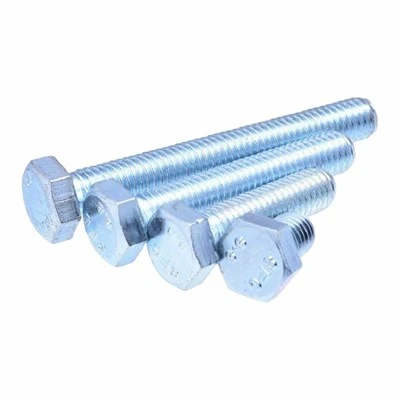
Fully Threaded Bolts As a trusted supplier of structural bolts, I am committed to providing not only high – quality products but also valuable advice on proper bolt handling and storage. If you are in the market for structural bolts and want to learn more about our product range or need further guidance on bolt storage, I encourage you to reach out to our sales team. We are always ready to assist you in making the right choices for your project.
References
- ASTM International Standards for Structural Bolts.
- "Handbook of Structural Steel Design" by R. Bruce Corotis and George A. Mrazik.
- Industry research papers on the corrosion and storage of structural fasteners.
Handan Jihao Fastener Co., Ltd.
We’re known as one of the most professional structural bolts manufacturers and suppliers in China. With abundant experience, we warmly welcome you to wholesale customized structural bolts made in China here from our factory. If you have any enquiry about cooperation, please feel free to email us.
Address: A2, Row 31, Feiyu Screw World, Hebei Pu, Linmengguan Town, Yongnian District, Handan City, Hebei Province
E-mail: wenzhaona0@gmail.com
WebSite: https://www.chinaboltnut.com/
