Hey there! As a supplier of distribution boxes, I’ve been getting a lot of questions lately about terminal blocks. People are curious about what they do and why they’re so important in a distribution box. So, I thought I’d take a few minutes to break it down for you. Distribution Box

First off, let’s talk about what a distribution box is. If you’re not familiar, a distribution box is basically a central hub for electrical circuits. It’s where the main power supply comes in, and then it gets split up into different circuits to power various devices and appliances in a building. It’s a critical component of any electrical system, and it needs to be reliable and efficient.
Now, where do terminal blocks fit into all of this? Well, a terminal block is a device that’s used to connect multiple wires together in a safe and organized way. They’re like little connectors that sit inside the distribution box and allow you to easily make and break electrical connections.
One of the main purposes of a terminal block in a distribution box is to provide a secure and stable connection between different electrical wires. When you’re dealing with a lot of wires in a small space, it can be easy for them to become loose or disconnected. This can lead to all sorts of problems, like electrical shorts, power outages, and even fires. Terminal blocks help prevent these issues by providing a tight and reliable connection between wires.
Another important function of terminal blocks is to make it easier to install and maintain the electrical system. Instead of having to twist wires together or use other makeshift methods of connection, you can simply insert the wires into the terminal block and secure them with a screw or other locking mechanism. This makes the installation process much faster and more efficient, and it also makes it easier to troubleshoot and repair the system if something goes wrong.
Terminal blocks also help to organize the electrical wires in the distribution box. In a large distribution box, there can be dozens or even hundreds of wires, all of which need to be connected to different devices and circuits. This can quickly become a mess, making it difficult to identify which wire goes where. Terminal blocks help to keep everything neat and tidy by providing a labeled and organized way to connect the wires. This makes it much easier to trace the circuit and find any issues that may arise.
In addition to these practical benefits, terminal blocks also offer some safety advantages. They’re designed to meet strict electrical safety standards, which means they’re less likely to cause electrical hazards like short circuits or overheating. Many terminal blocks also have built-in features like insulation and grounding to further enhance safety.
Now, let’s talk about the different types of terminal blocks that are commonly used in distribution boxes. There are several different types to choose from, each with its own unique features and benefits.
One of the most common types of terminal blocks is the screw terminal block. This type of terminal block uses a screw to secure the wire in place. It’s simple, reliable, and widely used in a variety of applications. Screw terminal blocks are available in different sizes and configurations, so you can choose the one that’s best suited for your needs.
Another popular type of terminal block is the spring clamp terminal block. This type of terminal block uses a spring mechanism to hold the wire in place. It’s quick and easy to install, and it doesn’t require any tools. Spring clamp terminal blocks are also known for their excellent vibration resistance, which makes them a good choice for applications where there’s a lot of movement or vibration.
There are also other types of terminal blocks, like pluggable terminal blocks, feed – through terminal blocks, and fuse terminal blocks. Each type has its own specific uses and advantages, so it’s important to choose the right one for your distribution box.
As a distribution box supplier, I know how important it is to use high – quality terminal blocks in our products. That’s why we only source terminal blocks from reputable manufacturers who adhere to strict quality control standards. We want to make sure that our distribution boxes are not only reliable and efficient but also safe for our customers to use.
If you’re in the market for a distribution box, or if you’re looking to upgrade your existing one, I’d encourage you to pay close attention to the terminal blocks. They may seem like a small component, but they play a crucial role in the overall performance and safety of the electrical system.
Whether you’re a professional electrician, a building contractor, or just a DIY enthusiast, getting the right terminal blocks for your distribution box is essential. And if you’re not sure which type of terminal block is best for your needs, don’t hesitate to reach out to us. We have a team of experts who can help you make the right choice.
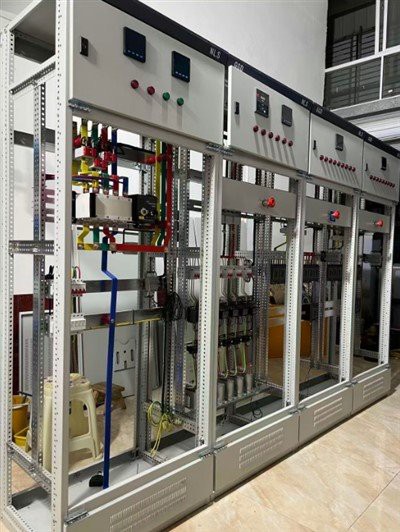
If you’re interested in learning more about our distribution boxes and the terminal blocks we use, or if you want to discuss the possibility of a purchase, I’d love to hear from you. Just get in touch with us to start a conversation. We’re always happy to help you find the right solutions for your electrical needs.
Distribution Box References:
"Electrical Installation Handbook" by Schneider Electric
"Terminal Blocks: A Comprehensive Guide" by Phoenix Contact
Anhui Nanxian Electric Co., Ltd.
With abundant experience, we are one of the most professional distribution box manufacturers and suppliers in China. We warmly welcome you to buy advanced distribution box for sale here and get quotation from our factory. All customized products are with high quality and low price.
Address: Factory Unit 03-2, Building 21, Feidong Yinfeng Industrial Park Co., Ltd., Northeast Corner of Manquan Road and Changle Road, Hefei Circular Economy Demonstration Park, Feidong County, Hefei City, Anhui Province.
E-mail: 541580567@qq.com
WebSite: https://www.nxelepower.com/
