If you’re anything like me, you probably spend way too much time on your sofa—whether you’re binging the latest show, scrolling through socials, napping after a long day, or just crashing after work. I’ve been in the sofa game for over 10 years, and let me tell you: most people think a sofa is comfy because it looks nice or costs a lot. Nope, that’s just marketing fluff. I’ve seen so many customers come in saying “I bought this fancy sofa and it’s garbage—my back hurts after 10 minutes” and it’s never because the sofa is bad. It’s because they’re using it wrong, or picking the wrong one for their space and lifestyle. Today, I’m spilling all the science-backed, real-deal tips to make your current sofa way more comfortable, or pick a new one that actually works for you (shoutout to my team, we do this every single day). Sofa

First off, let’s talk about the biggest mistake people make: sitting on the wrong part of the cushion. I can’t tell you how many times I’ve watched someone plop down on the very edge of the seat, like they’re afraid to sink in. Newsflash—sofas are designed for you to sit in the middle, not teeter on the sides. Here’s the science bit that makes sense: seat cushions have a “load-bearing zone” right in the center, where the foam or down is densest to support your hips, lower back, and thighs. When you sit on the edge, you’re basically compressing the thin part of the cushion, so you sink too much (or too little) and your spine twists or slumps. I always tell customers: when you try out a sofa, sit all the way in, lean back like you actually would at home, and hold that position for at least 2 minutes. If your thighs are hanging over the front edge, or your lower back isn’t touching the cushion, that sofa isn’t going to get comfy, no matter what.
Next, throw pillows—everyone has them, but most people have way too many, or the wrong ones, or they just plop them there and forget about them. I see sofas with 8 throw pillows that just clutter the space and make it hard to actually sit. But here’s the thing: throw pillows aren’t just decor. They’re support. For your lower back, specifically. Our lower backs have a natural curve—lordosis, if we’re being nerdy—and sitting on a flat sofa for hours makes that curve flatten out, which leads to that tight, achy feeling after an hour. A good lumbar pillow (the kind that’s not too squishy, not too stiff) placed right in the small of your back fixes that. Now, for the throw pillows on the sides: if you like to curl up and rest your arms or head, a pair of square pillows (or even a few smaller ones) on the armrests gives you something to lean on instead of just hard fabric or wood. Pro tip from my team: don’t go for pillows that are too fluffy (they just sink) or too thin (they don’t offer any support). Test them at the store—squeeze them, and if they bounce back quickly, that’s the one. Also, if your current pillows are 5+ years old? Just replace the inserts. You don’t need to buy new covers every time, that’s a waste.
Now, the big one that surprises people: sofa height. How high is your seat from the floor? I’ve had customers swear their sofa is “too low” or “too high” and they’re not wrong— it depends entirely on your height and leg length. If you’re under 5’4”, a seat height of 18-20 inches is perfect, because you can plant your feet flat on the floor without your knees being higher than your hips. If you’re over 5’8”, 20-22 inches is ideal; lower seats make you hunch over and your legs dangle, which strains your hips. Wait, I know what you’re thinking—“I can just use a footstool, right?” Yeah, but footstools work if you’re putting your feet up, not if you’re sitting upright. For everyday sitting, that seat height is non-negotiable. I’ve seen people try to fix a too-low sofa by piling blankets on the floor to put their feet on, but that just makes the whole space messy and you still end up slouching. If you’re buying a new sofa, always test the seat height with your shoes on—sneakers, boots, whatever you wear at home. Don’t do it in socks, that’ll lie.
Then there’s the backrest angle. This is another thing most people don’t think about when they’re shopping. A lot of budget sofas have backrests that are super straight, almost 90 degrees from the seat, like a chair. That’s fine if you’re eating, but if you want to lounge or watch TV, you need a backrest that angles back between 100 and 110 degrees. Wait, let’s break that down: 90 degrees is rigid, 110 is like leaning back slightly, not flat. If it’s more than that, you’re basically lying on the sofa, and your back has to work harder to stay propped up. Too straight, and your back gets sore. When you test a sofa, lean back and see how your upper back feels. If you’re straining to hold yourself up, that angle is wrong. Also, check the gap between the back cushion and the seat. Some sofas have a huge gap there, so when you lean back, your lower back just hangs in the air. That’s a recipe for back pain. Avoid those at all costs.
What about cushion firmness? This is where I see the most confusion. People think “softer is comfier” but nope. The sweet spot is medium-firm. Let’s explain why: foam cushions are rated by density, usually 1.8, 2.2, 2.5, etc. (the higher the number, the denser). A 1.8 is super soft, like laying on a cloud, but it’s going to flatten out in 6 months, and when you sit on it, you’ll sink too much, making your spine curve. A 2.5 is super firm, like a brick, and it doesn’t give at all. Medium-firm is around 2.2 to 2.4 density—it gives a little, supports your weight, and holds its shape for years. If you prefer something softer for napping, go for a cushion with a layer of down on top of the foam. That’s the best of both worlds: the foam supports you, and the down adds that squishy, cozy feeling without the sag. One more tip: rotate your cushions every 3 months. A lot of people don’t do this, so one side of the cushion gets all the wear, and it lopsided. Just flip them side to side, or swap the seat cushions with the chaise cushion (if you have one) and they’ll last way longer.
Wait, what about fabric? Yeah, fabric plays a role too, even if you think it’s just about stains. Let’s be real—most of us eat or drink on the sofa, so stain resistance is a plus, but what about feel? If you live in a cold climate, a linen or cotton sofa might feel scratchy in winter, and you’ll be less likely to snuggle up. A microfiber or velvet sofa is softer, warmer, and has that nice, plush feel. If you have pets, microfiber is also better because it doesn’t hold pet hair like velvet does. But here’s the thing: don’t pick fabric just for looks. If the fabric feels stiff when you rub it, it’s going to feel stiff when you sit on it. Test it at the store, run your hand over it like you’re petting a cat or something—if it feels smooth and a little soft, it’s a good bet. And if you do get a stain? Most sofas come with stain-repellent treatment now, right? But still, act fast—don’t wait until the next day to wipe up a coffee spill. I’ve seen people ruin a $2,000 sofa because they let a soda sit on it for 24 hours.
Now, what if you can’t buy a new sofa right now? Maybe you’re renting, or you’re saving up, or your current sofa is actually good but just feels less comfy than it used to. No problem, I got you. There are quick fixes that take 5 minutes and cost less than $50. First, a memory foam topper. Not the thick 2-inch kind for a mattress—get a thinner, 1-inch memory foam topper made for sofas. Lay it on top of your seat cushions, and it adds a little extra support and softness without making it sink. Second, a wedge cushion for the back. If your backrest is too straight or has a big gap, a foam wedge that’s shaped to fit in the gap between the seat and back cushion will give your lower back the support it needs. Third, add a throw blanket. A thick, soft knit blanket draped over the seat and back adds padding, and it’s perfect for curling up under when you’re watching a movie. I have a old wool blanket I keep on my sofa at all times, and my friends always say they’re way more comfy on my sofa than theirs.
Wait, let’s talk about my personal pet peeve: slouching. Even the comfiest sofa won’t feel good if you’re sitting like a potato sack. I know it feels natural to slump, but that’s why your back hurts after an hour. Small habit change: tuck your chin in slightly, engage your core a little (not too much, we’re not doing planks here), and let your feet rest flat on the floor or on a footstool. If you like to cross your legs, alternate which leg is on top every 30 minutes so you don’t put all the pressure on one hip. And if you’re going to sit for a long time—like a 3-hour movie—stand up and stretch every hour. I do it, even when I’m mid-episode, and it makes such a difference. No more achy back the next day.
Let me also address a common myth: expensive sofas are always more comfy. Yeah, sometimes, but not always. I’ve seen a $1,500 sofa that’s way more comfy than a $5,000 one, because it’s got a denser foam core and a good back angle. The price isn’t the only factor—what’s inside the sofa is. If you go to a store, don’t be intimidated by the fancy showrooms. Ask to sit on the sofa for as long as you want. The salespeople might act like they’re busy, but good ones (like my team!) will be happy to let you test it. Bring a friend if you want, so you can both test it at the same time. See if your lower back touches the back cushion, if your feet are flat, if your arms are at a comfortable height. Those are way more important than the price tag or the pattern of the fabric.
Another thing: size. If your sofa is too big for your living room, you’ll be sitting at the very edge all the time, which is not comfy. If it’s too small, you’ll be crammed together with whoever you’re sitting with, and your elbows are getting into each other. Measure your living room first, mark the space where the sofa will go, and then measure the actual sofa at the store. Leave at least 18 inches of space between the sofa and the coffee table, so you don’t have to reach across the table to set something down, which makes you lean forward and slouch. I’ve had customers come back and say “I hated my new sofa at first but now I love it” and it’s because they put it in the wrong spot, right up against the coffee table. Moving it 2 feet away fixed everything.
Let’s wrap this up, because I know you’re probably already craving a sofa nap by now. The key takeaways are: sit all the way in the center of the cushion when testing, use lumbar pillows for back support, get the right seat height for your legs, aim for a 100-110 degree back angle, pick medium-firm cushions, rotate your cushions every 3 months, and don’t sleep on quick fixes like foam toppers if you can’t buy new.
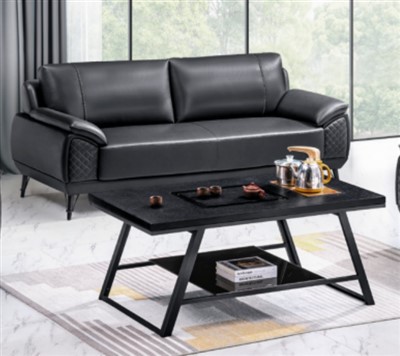
If you’re in the market for a new sofa, we’ve got tons of options—we focus on building sofas that are comfy first, pretty second, so you don’t have to choose. No fluff, no overpriced junk, just sofas that are made to actually use. If you want to chat about what would work for your space, your height, how you use your sofa (do you nap a lot? Have pets? Host game nights? Tell us!), we’re here to help. Just reach out to get the process started.
Hotel Desk References:
- American Chiropractic Association. (2022). Seated Posture and Spinal Health. Retrieved from professional chiropractic guidelines on ergonomic seating.
- Furniture Industry Research Association. (2021). Sofa Comfort Metrics: Seat Depth, Height, and Cushion Density. FIRA Technical Report.
- Sleep Foundation. (2020). Choosing Sofa Cushions for Long-Term Comfort and Durability. Consumer Guide to Home Furniture.
- Journal of Physical Therapy Science. (2019). Effects of Lumbar Support on Lower Back Discomfort During Prolonged Sitting. Peer-reviewed study on ergonomic seating support.
Jiangsu Yuhe Intercontinental Import & Export Trading Co., Ltd.
As one of the most professional sofa manufacturers and suppliers in China, we also support customized service. Please feel free to buy high quality sofa made in China here and get pricelist from our factory. For price consultation, contact us.
Address: No. 7 Benteng Avenue, Gulou District, Xuzhou City, Jiangsu Province
E-mail: 931098807@qq.com
WebSite: https://www.yhfurn.com/
