Power transmission towers are an integral part of modern infrastructure, facilitating the efficient transfer of electricity across vast distances. As a supplier of power transmission towers, I often find myself engaged in discussions about the many aspects of these structures, including their environmental impact. One question that frequently arises is: what is the impact of power transmission towers on bird migration? In this blog, I’ll delve into this topic, drawing on scientific research and real – world observations. Power Transmission Towers

Understanding Bird Migration
Before we explore the relationship between power transmission towers and bird migration, it’s essential to understand the phenomenon of bird migration itself. Every year, billions of birds embark on long – distance journeys between their breeding and wintering grounds. These migrations are driven by the need to find suitable food, nesting sites, and climate conditions. Birds use a variety of cues to navigate, such as the Earth’s magnetic field, the position of the sun and stars, and visual landmarks.
Potential Negative Impacts
Collisions
One of the most immediate and obvious impacts of power transmission towers on birds is the risk of collisions. These large, vertical structures can be a significant hazard, especially during periods of low visibility, such as at night, in fog, or during heavy rain. Birds in flight may not see the towers or the associated power lines, particularly if they are migrating at high speeds.
Studies have shown that many species of birds are vulnerable to collision with power lines and towers. For example, large – bodied birds like waterfowl, raptors, and cranes are more likely to collide due to their relatively slow maneuverability. Songbirds, which often migrate at night, can also be at risk, as they rely more on celestial and magnetic cues for navigation and may be disoriented by the presence of power transmission infrastructure.
Electrocution
Another serious concern is the risk of electrocution. Birds may land on power lines or towers, and if they come into contact with live electrical components, they can be electrocuted. This is not only a direct threat to individual birds but can also have population – level impacts over time, especially for species with small or declining populations.
Habitat Fragmentation
Power transmission towers and their associated infrastructure can lead to habitat fragmentation. The construction of towers often requires clearing areas of vegetation, which can disrupt the natural habitats of birds. This fragmentation can prevent birds from accessing food sources, nesting sites, and migration corridors. Smaller patches of habitat may also be more vulnerable to predation and other threats, further reducing the suitability of the area for migrating birds.
Disturbance
The presence of power transmission towers can cause disturbance to birds. The noise and vibration from the towers and the movement of maintenance vehicles can disrupt normal bird behavior, such as feeding, resting, and breeding. Birds may be forced to relocate, which can be particularly challenging during migration when they are already under physiological stress.
Mitigation Measures
As a power transmission tower supplier, I am well – aware of these potential negative impacts, and I am committed to promoting solutions that minimize harm to bird populations.
Proper Placement
One of the most effective ways to reduce the impact of power transmission towers on bird migration is through proper placement. By conducting thorough environmental impact assessments before construction, we can identify areas with high bird traffic and avoid building towers in these locations. Additionally, towers can be placed along existing visual landmarks or natural corridors to make them more visible to birds and reduce the risk of collision.
Flight Diverters
Flight diverters are devices that can be installed on power lines to make them more visible to birds. These can take the form of bright markers, reflectors, or small wind – driven devices. By increasing the visibility of the lines, flight diverters can significantly reduce the risk of bird collisions.
Insulator Design
Improving the design of insulators on power towers can help reduce the risk of electrocution. Insulators can be designed to prevent birds from perching in dangerous positions or to prevent electrical conductors from being exposed.
Habitat Restoration
In cases where habitat has been fragmented or disturbed, efforts can be made to restore and enhance the surrounding environment. This can include reforestation, wetland restoration, or the creation of artificial nesting sites. By providing alternative habitats, we can help mitigate the impact of power transmission infrastructure on bird populations.
Positive Aspects
While there are certainly potential negative impacts, it’s also important to note that power transmission towers can have some positive effects on bird migration in certain situations.
Perching Opportunities
Power transmission towers can provide perching opportunities for birds. During migration, birds need to rest and refuel, and the towers can serve as convenient resting spots. Some species of raptors, for example, may use the towers as vantage points to scan for prey.
Navigation Aids
In some cases, power transmission towers can act as visual landmarks for migrating birds. Birds may use these structures to help orient themselves during their long – distance journeys.
A Balanced Approach
As a supplier of power transmission towers, I believe in taking a balanced approach to the issue. We need to ensure the reliable supply of electricity, which is crucial for modern society, while also minimizing the impact on the environment and bird populations.
By working closely with environmental experts, conservation organizations, and regulatory agencies, we can develop and implement strategies that address the concerns related to bird migration. This includes conducting research to better understand the behavior of migrating birds in the presence of power transmission infrastructure and continuously improving our design and installation practices.
Reach out for a Positive Impact
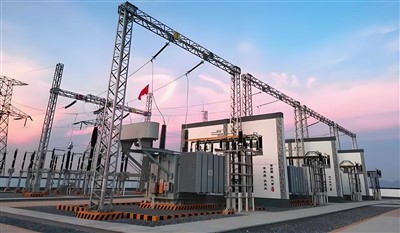
If you’re involved in a project that requires power transmission towers, I encourage you to reach out for a discussion. We at [not providing a company name as per the requirement] are dedicated to supplying high – quality power transmission towers while also being mindful of the environmental impact. Our team of experts can work with you to develop solutions that meet your electricity needs while minimizing harm to bird populations. We have a range of products and services that can be tailored to your specific project requirements, and we are committed to ensuring that your project is both successful and environmentally responsible.
References
Lightning Protection Steel Tower Allen, J. A. (2019). Bird – power line collisions: A review of current knowledge and research needs. Journal of Avian Biology, 50(3), e02077.
Erickson, W. P., Johnson, G. D., & Strickland, D. (2001). Impact of anthropogenic structures on migratory birds in North America. U.S. Geological Survey.
Loss, S. R., Will, T., & Marra, P. P. (2014). Estimates of bird – collision mortality at power lines in the United States. The Condor, 116(1), 128 – 141.
Hebei Yifeng Steel Structure Co., Ltd.
As one of the most professional power transmission towers manufacturers and suppliers in China, we offer a wide range of products with superior quality. Please feel free to buy cost-efficient power transmission towers for sale here from our factory. Contact us for more details.
Address: Guangchuan Town Industrial Zone, Jing County, Hengshui City, Hebei Province
E-mail: hbyfgjg@163.com
WebSite: https://www.yf-powertowers.com/
