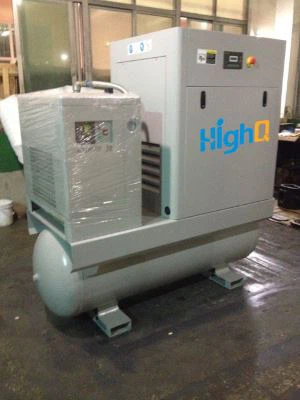
In the realm of industrial and commercial operations, maintaining optimal environmental conditions is crucial for the efficiency and longevity of equipment. One such piece of equipment that plays a vital role in this regard is the air dryer. As an air dryer supplier, I’ve witnessed firsthand how the humidity level can significantly impact the operation of these essential machines. In this blog post, I’ll delve into the intricate relationship between humidity levels and air dryer performance, exploring the science behind it and providing insights for our customers to ensure the best use of our products. Air Dryer
The Basics of Air Dryers and Humidity
Before we explore the impact of humidity on air dryers, let’s first understand the basic concepts of air dryers and humidity. An air dryer is a device designed to remove water vapor from compressed air, preventing moisture from causing damage to pneumatic systems, tools, and processes. Humidity, on the other hand, refers to the amount of water vapor present in the air. It can be expressed in different ways, such as absolute humidity (the actual amount of water vapor in a given volume of air), relative humidity (the ratio of the actual amount of water vapor in the air to the maximum amount the air could hold at that temperature), and dew point (the temperature at which the air becomes saturated and water vapor begins to condense).
The primary function of an air dryer is to reduce the dew point of the compressed air, ensuring that the air remains dry enough to prevent condensation and corrosion in the downstream equipment. By doing so, air dryers help to improve the reliability and performance of pneumatic systems, extend the lifespan of tools and machinery, and prevent product contamination in industries such as food and beverage, pharmaceuticals, and electronics.
How High Humidity Affects Air Dryer Operation
High humidity levels pose significant challenges to the operation of air dryers. When the ambient air is highly humid, the air dryer has to work harder to remove the excess moisture. This increased workload can lead to several issues:
Reduced Efficiency
One of the most immediate effects of high humidity on air dryers is reduced efficiency. As the humidity level rises, the air dryer has to process more water vapor, which requires more energy. This can result in higher operating costs and longer drying cycles. For example, in a refrigerated air dryer, the compressor has to work harder to cool the air to a lower temperature to condense the moisture. This not only consumes more electricity but also puts additional strain on the compressor, potentially reducing its lifespan.
Increased Wear and Tear
The extra workload on the air dryer due to high humidity can also lead to increased wear and tear on its components. The filters, condensers, and compressors are all subjected to more stress when dealing with a larger volume of water vapor. This can lead to premature failure of these components, resulting in costly repairs and downtime. For instance, the condensate drain in a refrigerated air dryer may become clogged more frequently due to the increased amount of water being removed. This can cause water to accumulate in the dryer, leading to corrosion and other issues.
Condensation and Corrosion
Even with the best air dryer in operation, high humidity can still cause condensation and corrosion in the downstream equipment if the dryer is unable to handle the load. When the air temperature drops after passing through the air dryer, the remaining moisture in the air may condense, leading to water droplets forming in the pipes, valves, and other components of the pneumatic system. This water can cause corrosion, which can damage the equipment and reduce its performance. In industries where product quality is critical, such as the semiconductor industry, even a small amount of moisture can contaminate the products and lead to significant losses.
How Low Humidity Affects Air Dryer Operation
While high humidity is a common concern, low humidity can also have an impact on air dryer operation, although the effects are generally less severe. When the humidity level is very low, the air dryer may not be able to operate at its full capacity.
Over – Drying and Energy Waste
In some cases, the air dryer may continue to operate as if the humidity were higher, leading to over – drying of the compressed air. Over – drying not only wastes energy but can also cause problems in certain applications. For example, in some manufacturing processes, a certain level of humidity is required to prevent static electricity buildup. If the air is too dry, static electricity can cause dust particles to adhere to the products, leading to quality issues.
Component Malfunction
Low humidity can also cause some components of the air dryer to malfunction. For example, the sensors in the air dryer that are designed to detect the moisture level may not function properly in extremely dry conditions. This can lead to inaccurate readings and improper operation of the dryer. Additionally, the seals and gaskets in the air dryer may dry out and become brittle in low – humidity environments, leading to leaks and reduced performance.
Optimizing Air Dryer Performance Based on Humidity Levels
As an air dryer supplier, we understand the importance of optimizing air dryer performance based on the humidity levels in different environments. Here are some tips and strategies we recommend to our customers:
Selecting the Right Air Dryer
The first step in ensuring optimal air dryer performance is to select the right type and size of air dryer for the specific application. Different types of air dryers, such as refrigerated air dryers, desiccant air dryers, and membrane air dryers, have different capabilities and limitations when it comes to handling different humidity levels. For high – humidity environments, desiccant air dryers are often a better choice as they can achieve lower dew points compared to refrigerated air dryers. Our team of experts can help you assess your needs and select the most suitable air dryer for your operation.
Regular Maintenance
Regular maintenance is essential for keeping air dryers operating efficiently, especially in environments with varying humidity levels. This includes cleaning and replacing filters, checking and maintaining the condensate drain, and inspecting the compressor and other components for signs of wear. By performing regular maintenance, you can prevent many of the problems associated with high or low humidity, such as clogged filters and condensate drain blockages. We offer comprehensive maintenance services and replacement parts to help our customers keep their air dryers in top condition.
Monitoring and Control
Monitoring the humidity levels in the ambient air and the dew point of the compressed air is crucial for optimizing air dryer operation. By installing sensors and monitoring systems, you can track the performance of the air dryer and make adjustments as needed. For example, if the humidity level suddenly increases, you can adjust the settings of the air dryer to increase its drying capacity. Many of our air dryers are equipped with advanced monitoring and control systems that allow for remote monitoring and adjustment, providing our customers with greater flexibility and convenience.
Conclusion

The humidity level has a profound impact on the operation of air dryers. Whether it’s high humidity causing reduced efficiency and increased wear and tear or low humidity leading to over – drying and component malfunction, understanding and managing these effects is crucial for the optimal performance of air dryers. As an air dryer supplier, we are committed to providing our customers with high – quality air dryers and the support they need to ensure the best operation of these essential machines.
Permanet Magnetic Screw Air Compressor If you are looking for an air dryer that can effectively handle the specific humidity conditions in your operation, or if you have any questions about air dryer performance and maintenance, don’t hesitate to contact us. Our team of experts is ready to assist you in selecting the right air dryer and providing the necessary support to keep your operations running smoothly.
References
- ASHRAE Handbook – Fundamentals. American Society of Heating, Refrigerating and Air – Conditioning Engineers.
- Compressed Air and Gas Handbook. Ingersoll Rand.
- Pneumatic Systems: Selection, Installation, Troubleshooting. Parker Hannifin Corp.
Xiamen HighQ Compressor Co., Ltd.
With over 20 years’ experience, Xiamen HighQ Compressor Co., Ltd. is one of the most professional air dryer manufacturers and suppliers in China. We warmly welcome you to buy high quality air dryer made in China from our factory. Good service and punctual delivery are available.
Address: 7th F. No.704 Yi Hua Center Xiamen China 361100
E-mail: vincent@hqcompressor.com
WebSite: https://www.hqcompressor.com/
