Hey there! If you’re reading this, you’re probably working on a building project—whether it’s a small commercial space, a mid-rise office, or even a warehouse upgrade—and you’re deep in the weeds of elevator specs, specifically for steel shaft elevators. As someone who’s been supplying steel shaft elevator systems for over 12 years now, I’ve seen every kind of decorative blunder and win when it comes to elevator cars. Let’s cut through the jargon: your elevator car isn’t just a box to move people (or pallets) up and down. It’s the first thing someone sees when they step into your building, and it tells a story about your space. So, what are the solid, practical decorative options that work with steel shaft elevators—no fluff, just what’s stood the test of time and what clients actually love? Steel Shaft Elevator

First, let’s start with the foundation: steel shaft elevators use a rigid, prefab steel shaft, right? That means the car’s interior has to install cleanly against a metal structure, which is why some decorative materials play nicer with steel than others. A common mistake I see is trying to use thick, heavy stone panels here—they can put extra stress on the car’s frame and throw off the balance for the hoistway. So, we stick to materials that are light, durable, and easy to mount on steel without retrofitting.
Let’s dive into the big ones, starting with something that’s non-negotiable for most of our clients: powder-coated steel panels. Wait, before you zone out thinking “basic metal”—hear me out. Powder coating isn’t just flat gray. We offer custom colors, matte finishes, metallic flecks, even wood-grain prints that look exactly like oak or walnut. The best part? It’s super low-maintenance. No grout lines to scrub, no veneer that peels off from humidity (perfect for places like grocery stores or healthcare facilities where spills are frequent). We recently did a job for a 8-story clinic in downtown Austin; they went with a soft beige powder coat that matches the building’s lobby, and 18 months later, it still looks brand new. No scratches from wheelchairs, no scuffs from cart wheels—powder coated steel is tough as nails, and it’s one of the most cost-effective ways to make a steel shaft elevator car feel polished.
Next up, stainless steel accents—but not just the plain mirror finish. Wait, mirror stainless can be tricky because it shows every fingerprint, which is a nightmare in high-traffic elevators (c’mon, we’ve all seen that sad, smudged elevator mirror). But brushed stainless? Game changer. The brushed grain hides scuffs and fingerprints, and it has that sleek, modern vibe that fits co-working spaces or luxury offices. We also offer satin finishes, which are halfway between mirror and brushed—subtle, not too flashy, and easy to clean. A lot of our retail clients (think mall food courts) love adding stainless steel trim around the control panel or the door frame; it gives the car a clean edge without overdoing it. One client even did full stainless walls with a light satin finish for their high-end boutique elevator, and customers kept commenting on how “smooth and modern” it felt. We make sure all our stainless steel components are sized to fit the steel shaft car’s standard framing, so installation takes half the time of custom wood or stone panels.
Now, if you want to add a bit of warmth without ditching the steel shaft, there’s laminated wood veneer panels. Wait, again, not solid wood—solid would be too heavy for the car’s interior. Laminated veneer is thin, adhesive-backed, and designed to stick to steel surfaces. We work with a supplier that has over 50 wood species, from light birch to dark walnut, and even some reclaimed wood finishes if you’re going for that rustic industrial look (which is huge in places like Brooklyn loft buildings). The key here is to use a moisture-resistant laminate—elevators get condensation sometimes, especially in humid climates, so regular veneer would warp. We’ve never had a complaint about our moisture-proof laminated panels; one warehouse in Chicago used them for their employee elevator, and even with the cold, damp winters, they’re still holding strong 2 years later. Just a heads up: if you go this route, skip the thick, ornate wood trim—keep it simple, thin strips along the edges to avoid adding weight.
For something that’s a little more budget-friendly but still looks high-end, melamine panels. Melamine is that smooth, durable plastic coating on pressed wood, but modern melamine has come a long way from the cheap particleboard your old kitchen cabinets used. Now you can get melamine with stone looks (like quartz or marble), concrete finishes, and even custom prints—if you want your elevator to match your building’s brand colors, melamine can print a logo right on the wall. It’s super light, so it doesn’t add any extra stress to the steel shaft’s car frame, and it’s way cheaper than stone or custom metal. We used melamine for a 10-story apartment building in Denver; they picked a light gray concrete finish that went with the building’s industrial design, and the total cost for the car interior was 30% less than if they’d gone with stainless steel. The residents love it too—no weird “elevator metal” vibe, it feels like a natural part of the lobby.
Wait, let’s talk about ceiling details, because that’s a big part people overlook. A lot of steel shaft elevator cars come with a basic metal ceiling, but you can dress that up with decorative ceiling panels. Drop ceilings? No, too bulky. Instead, we use thin aluminum ceiling tiles that clip right onto the car’s steel ceiling frame. You can get them with acoustic foam backing if you want to cut down on that echoey elevator sound (huge for hospitals or libraries), or with LED light strips built in. Some clients go for perforated aluminum ceilings—small holes that let light filter through, or even a mesh finish for a modern, industrial look. We did a job for a tech startup in Silicon Valley; they used a black perforated aluminum ceiling with warm LED lights, and it made the car feel way less cramped than the old standard metal ceiling.
And what about control panels and handrails? Those are small details, but they tie the whole look together. For control panels, you can keep the standard metal button plate or swap it out for a powder-coated or brushed stainless steel plate that matches the walls. Handrails—if you want a handrail (not all buildings require them, but many prefer it), stainless steel is the way to go. It’s durable, doesn’t get slippery when wet, and fits perfectly with the steel shaft’s industrial feel. We’ve even had clients add wooden handrails (thin, laminated, of course) for a touch of warmth, as long as it’s sealed to prevent damage from spills.
Now, let’s get real about what not to do. I’ve had a client try to install natural stone panels on a steel shaft elevator car—big mistake. The stone is heavy, so it required extra support brackets, which made the installation take twice as long, and once the elevator started running, the extra weight threw off the balance, leading to more wear and tear on the hoistway over time. Another client tried peel-and-stick wallpaper—don’t do it. Elevators get dirty, and wallpaper peels and stains way too easily. Stick to materials that are non-porous, scratch-resistant, and designed for high-traffic interior spaces.
Here’s the thing about steel shaft elevators specifically: their strength comes from the prefabricated steel shaft, so your decorative choices don’t have to compromise that. All the options I’ve mentioned work seamlessly with our steel shaft systems because we design the car frames to accommodate lightweight, easy-to-mount materials. We’ve tested every single one of these finishes to make sure they don’t add unnecessary stress, don’t warp, and hold up to daily use. That’s why our clients come back—we don’t just sell elevator systems, we help you make the space feel like yours without the headache.
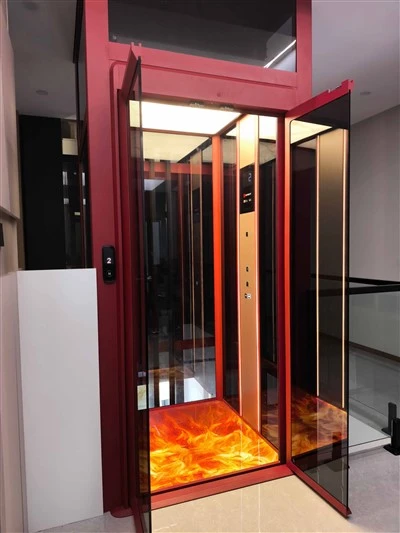
If you’re in the middle of planning a steel shaft elevator, or you’re looking to upgrade an existing car, we can walk you through every option. We’ve worked with everything from small retail spaces to large office complexes, so we know what works for different budgets and design vibes. No pushy sales pitches, no confusing specs—just straight talk about what will look good, last, and fit your steel shaft elevator perfectly. Reach out, and we can chat through your needs, share photos of past jobs, and figure out the best decorative route for your project.
Concrete Shaft Elevator References
- Elevator Interior Design: Best Practices for Commercial and Residential Spaces, National Elevator Industry, Inc.
- Powder Coating Standards for Architectural Steel Components, American Society for Testing and Materials (ASTM International)
- Laminated Wood Veneer for High-Traffic Interior Applications, Wood Products Association of the United States (WPAUS)
- Noise Reduction in Elevator Cars: Acoustic Solutions for Steel Shaft Systems, Elevator Technology Journal, 2022
Zhejiang Homeway Elevator Co., Ltd.
Zhejiang Homeway Elevator Co., Ltd. is one of the most professional steel shaft elevator manufacturers and suppliers in China. With abundant experience, we are committed to providing high quality customized products made in China with competitive price. If you’re going to buy CE approved steel shaft elevator, welcome to get quotation from our factory.
Address: No.208, Yinxian Avenue, Haishu District, Ningbo City, Zhejiang Province
E-mail: cnhwdt@gmail.com
WebSite: https://www.homewayelevator.com/
