Interstitial cystitis (IC), also known as painful bladder syndrome, is a chronic condition that affects the bladder and pelvic floor. It is characterized by recurring pain in the bladder and pelvic area, along with urinary frequency and urgency. While IC itself can be a challenging condition to manage, it often interacts with other medical conditions, complicating the overall health picture for patients. As a supplier of products related to interstitial cystitis, I have witnessed firsthand how these interactions can impact patients’ lives and the importance of understanding them for effective treatment. Interstitial Cystitis
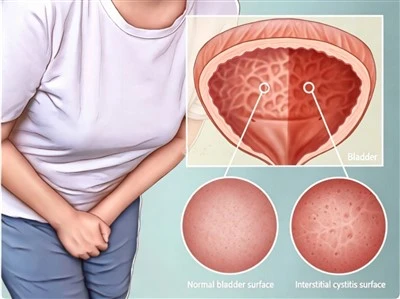
One of the most common comorbidities associated with interstitial cystitis is irritable bowel syndrome (IBS). Both IC and IBS are part of a group of disorders known as functional somatic syndromes, which are characterized by chronic pain and dysfunction in multiple organ systems. The exact relationship between IC and IBS is not fully understood, but it is thought to involve shared pathophysiological mechanisms, such as abnormal nerve signaling and inflammation. Many patients with IC also experience symptoms of IBS, such as abdominal pain, diarrhea, and constipation. This overlap can make it difficult to diagnose and treat either condition effectively, as the symptoms can be similar and may respond differently to various therapies.
Another medical condition that frequently interacts with interstitial cystitis is fibromyalgia. Fibromyalgia is a chronic pain disorder characterized by widespread musculoskeletal pain, fatigue, and sleep disturbances. Like IC and IBS, fibromyalgia is considered a functional somatic syndrome, and there is a high prevalence of comorbidity between these conditions. The shared pain pathways and the role of central sensitization in both IC and fibromyalgia may contribute to the co – occurrence of these disorders. Patients with both IC and fibromyalgia often report more severe pain and functional limitations compared to those with either condition alone. Treatment approaches for these patients need to address both the bladder – related symptoms of IC and the widespread pain and fatigue associated with fibromyalgia.
Mental health conditions, such as depression and anxiety, are also commonly associated with interstitial cystitis. Living with a chronic, painful condition like IC can take a toll on a patient’s emotional well – being. The constant pain, frequent urination, and the impact on daily activities can lead to feelings of frustration, helplessness, and social isolation. In turn, depression and anxiety can exacerbate the symptoms of IC. Stress and negative emotions can trigger flare – ups of IC symptoms, creating a vicious cycle. Additionally, some antidepressant medications used to treat depression and anxiety can also have an impact on bladder function and may need to be carefully monitored in patients with IC.
Autoimmune diseases are another area where there is an interaction with interstitial cystitis. Some studies have suggested a link between IC and autoimmune conditions such as lupus, multiple sclerosis, and rheumatoid arthritis. The immune system plays a role in the development and progression of IC, and it is possible that the underlying autoimmune processes in these diseases may contribute to the bladder inflammation seen in IC. For example, in lupus, the immune system attacks the body’s own tissues, and the bladder can be one of the organs affected. This can lead to increased pain and urinary symptoms in patients with both lupus and IC. Treatment of these comorbid conditions requires a coordinated approach that takes into account the potential interactions between the medications used to treat the autoimmune disease and those used for IC.
Endometriosis is yet another condition that can interact with interstitial cystitis, especially in women. Endometriosis is a condition in which the tissue that normally lines the inside of the uterus grows outside of it, often in the pelvic area. The pain and inflammation associated with endometriosis can overlap with the symptoms of IC, and it can be challenging to distinguish between the two conditions. In some cases, the presence of endometriosis can exacerbate the bladder symptoms in IC patients. Treatment may involve a combination of surgical and medical approaches to address both endometriosis and IC.
The interaction between interstitial cystitis and other medical conditions has significant implications for patient care. When treating a patient with IC, it is essential to consider the presence of comorbidities and develop a comprehensive treatment plan. This may involve a multidisciplinary approach, including urologists, gastroenterologists, rheumatologists, psychologists, and gynecologists. For example, a patient with IC and IBS may benefit from a combination of dietary modifications, bladder – specific therapies, and medications to manage the bowel symptoms. A patient with IC and fibromyalgia may require a combination of pain medications, physical therapy, and cognitive – behavioral therapy to address both the bladder pain and the widespread musculoskeletal pain.
As a supplier of products related to interstitial cystitis, we understand the importance of providing solutions that can help patients manage these complex interactions. Our products are designed to alleviate the symptoms of IC, such as pain and urinary frequency, and can be used in conjunction with other treatments for comorbid conditions. For example, our bladder – soothing supplements can help reduce inflammation in the bladder, which may also have a positive impact on the symptoms of other related conditions. Our pelvic floor relaxation devices can help improve bladder function and reduce pain, which can be beneficial for patients with IC and comorbidities like fibromyalgia or endometriosis.
We also recognize the need for education and support for patients and healthcare providers. We offer resources such as educational materials, webinars, and support groups to help patients understand the interactions between IC and other medical conditions and how to manage them effectively. By working closely with healthcare providers, we can ensure that our products are integrated into the overall treatment plan for patients with IC and its comorbidities.

If you are a healthcare provider or a patient looking for solutions to manage interstitial cystitis and its interactions with other medical conditions, we invite you to contact us to discuss how our products can be part of your treatment strategy. We are committed to providing high – quality products and support to help improve the lives of patients with IC.
Neurogenic Bladder References
- Moldwin, R. M. (2002). Interstitial cystitis: current perspectives. Urology clinics of North America, 29(2), 311 – 324.
- Low, D. A., & Arnold, E. M. (2012). Comorbidities in interstitial cystitis/painful bladder syndrome: a systematic review. Journal of Urology, 188(3), 822 – 828.
- Hunt, T. A., & O’Leary, M. P. (2008). Interstitial cystitis and the chronic pelvic pain syndrome in men. Urologic clinics of North America, 35(2), 237 – 247.
- Whiteside, J. L., & Parsons, C. L. (2005). Immunology of interstitial cystitis. Urologic clinics of North America, 32(1), 57 – 66.
- Faraj, B. A., & Miller, K. M. (2014). Endometriosis and interstitial cystitis: a review of the evidence for a common etiology. Journal of lower genital tract disease, 18(4), 337 – 341.
Hefei Youce Haoyi Culture Co., Ltd.
Dr. Zhang Yifei has been engaged in clinical practice for more than 30 years and he is an Associate Chief Physician in the Department of Urology. If you’re going to know the cost of interstitial cystitis, welcome to contact us for pricelist and quotation.
Address: Building A, Hengxing Plaza, No. 33 Tunxi Road, Baohe District, Hefei City, Anhui Province
E-mail: 16655109203@139.com
WebSite: https://www.zyfdsj.com/
