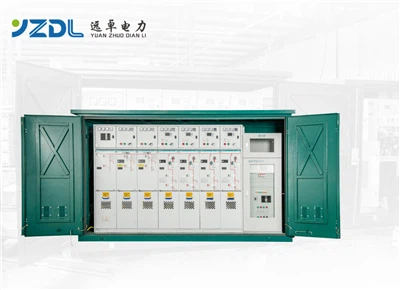
In the dynamic landscape of electrical power systems, modern switchgear components stand as the linchpins that ensure the safe and efficient distribution of electricity. As a seasoned supplier of switchgear components, I’ve witnessed firsthand the evolution of these critical elements and the pivotal role that communication interfaces play in their operation. In this blog post, I’ll delve into the various communication interfaces of modern switchgear components, exploring their functions, benefits, and the impact they have on the overall performance of electrical systems. Switchgear Components
The Importance of Communication in Switchgear Components
Before we dive into the specifics of communication interfaces, it’s essential to understand why communication is so crucial in switchgear components. In today’s interconnected world, electrical systems are becoming increasingly complex, with multiple components working together to ensure the reliable delivery of power. Communication interfaces enable these components to exchange information, coordinate their actions, and respond to changing conditions in real time. This not only enhances the efficiency and reliability of the electrical system but also improves safety by allowing for early detection and prevention of potential issues.
Types of Communication Interfaces in Modern Switchgear Components
1. Modbus
Modbus is one of the most widely used communication protocols in the industrial automation and electrical power industries. It is a simple, robust, and open protocol that allows for communication between different devices, such as programmable logic controllers (PLCs), sensors, and switchgear components. Modbus uses a master-slave architecture, where one device (the master) initiates communication with other devices (the slaves). The master can read and write data from and to the slaves, allowing for remote monitoring and control of switchgear components.
One of the key advantages of Modbus is its simplicity and ease of implementation. It uses a simple ASCII or RTU (Remote Terminal Unit) format, which makes it easy to understand and troubleshoot. Additionally, Modbus is an open protocol, which means that it is not proprietary to any particular manufacturer. This allows for greater interoperability between different devices and systems, making it a popular choice for switchgear component communication.
2. Profibus
Profibus is another widely used communication protocol in the industrial automation and electrical power industries. It is a high-speed, deterministic protocol that allows for communication between different devices, such as PLCs, sensors, and switchgear components. Profibus uses a hierarchical architecture, where devices are connected in a daisy-chain or star topology. The protocol supports both master-slave and peer-to-peer communication, allowing for flexible and efficient data exchange.
One of the key advantages of Profibus is its high-speed data transfer rate. It can support data transfer rates of up to 12 Mbps, which makes it suitable for applications that require real-time data exchange. Additionally, Profibus is a deterministic protocol, which means that it guarantees a certain level of performance and reliability. This makes it a popular choice for critical applications, such as switchgear protection and control.
3. Ethernet/IP
Ethernet/IP is a communication protocol that is based on the Ethernet standard and uses the Common Industrial Protocol (CIP) for data exchange. It is a widely used protocol in the industrial automation and electrical power industries, as it provides a high-speed, reliable, and flexible communication solution. Ethernet/IP uses a client-server architecture, where devices can act as either clients or servers. The protocol supports both real-time and non-real-time communication, allowing for a wide range of applications.
One of the key advantages of Ethernet/IP is its compatibility with existing Ethernet networks. It uses standard Ethernet cables and network devices, which makes it easy to integrate into existing systems. Additionally, Ethernet/IP is an open protocol, which means that it is not proprietary to any particular manufacturer. This allows for greater interoperability between different devices and systems, making it a popular choice for switchgear component communication.
4. IEC 61850
IEC 61850 is a communication standard that is specifically designed for use in electrical power systems. It provides a common framework for the communication between different devices, such as protection relays, control systems, and switchgear components. IEC 61850 uses a object-oriented approach, where devices are represented as objects with specific attributes and services. The protocol supports both real-time and non-real-time communication, allowing for a wide range of applications.
One of the key advantages of IEC 61850 is its ability to provide a standardized and interoperable communication solution for electrical power systems. It allows for the seamless integration of different devices and systems, regardless of their manufacturer. Additionally, IEC 61850 provides a high level of security and reliability, which is essential for critical applications, such as switchgear protection and control.
Benefits of Using Communication Interfaces in Switchgear Components
1. Remote Monitoring and Control
One of the primary benefits of using communication interfaces in switchgear components is the ability to remotely monitor and control these components. This allows for real-time monitoring of the status and performance of the switchgear, as well as the ability to remotely operate the components, such as opening and closing circuit breakers. Remote monitoring and control can improve the efficiency and reliability of the electrical system by allowing for early detection and prevention of potential issues, as well as the ability to quickly respond to changing conditions.
2. Improved Safety
Communication interfaces can also improve the safety of the electrical system by providing real-time information about the status and performance of the switchgear. This allows for early detection of potential issues, such as overheating or overloading, and the ability to take corrective action before a failure occurs. Additionally, remote monitoring and control can reduce the need for personnel to be in close proximity to the switchgear, which can reduce the risk of accidents.
3. Enhanced Efficiency
By enabling real-time communication between different switchgear components, communication interfaces can improve the efficiency of the electrical system. This allows for better coordination between the components, such as the ability to automatically adjust the load based on the available power. Additionally, remote monitoring and control can reduce the need for manual intervention, which can save time and reduce the risk of errors.
4. Predictive Maintenance
Communication interfaces can also enable predictive maintenance of switchgear components. By continuously monitoring the status and performance of the components, it is possible to detect early signs of wear and tear, as well as potential issues. This allows for proactive maintenance, which can reduce the risk of unexpected failures and downtime.
Conclusion
In conclusion, communication interfaces play a crucial role in the operation of modern switchgear components. They enable these components to exchange information, coordinate their actions, and respond to changing conditions in real time. By using communication interfaces, switchgear components can be remotely monitored and controlled, improving the efficiency, reliability, and safety of the electrical system. Additionally, communication interfaces can enable predictive maintenance, reducing the risk of unexpected failures and downtime.
High-Voltage Switchgear As a supplier of switchgear components, we understand the importance of communication interfaces in the modern electrical power system. We offer a wide range of switchgear components that are equipped with the latest communication interfaces, ensuring seamless integration and interoperability with other devices and systems. If you are interested in learning more about our switchgear components or have any questions about communication interfaces, please feel free to contact us. We would be happy to discuss your specific needs and provide you with a customized solution.
References
- "Modbus Protocol Specification." Modbus Organization.
- "Profibus Technical Specification." Profibus International.
- "Ethernet/IP Network Specification." ODVA.
- "IEC 61850 – Communication Networks and Systems for Power Utility Automation." International Electrotechnical Commission.
Yuanzhuo Electrical Equipment (Jiangsu) Co., Ltd.
We’re well-known as one of the leading switchgear components manufacturers and suppliers in China. We warmly welcome you to wholesale high quality switchgear components at competitive price from our factory. If you have any enquiry about cooperation, please feel free to email us.
Address: Group 8, Chengdong Village, Fucheng Sub-district Office, Funing County
E-mail: markcheng1358@126.com
WebSite: https://www.yzdlchina.com/
