If you’ve ever stood in a chemical processing plant, a pharmaceutical packaging line, or a agricultural irrigation control room, you’ve almost certainly glanced at a rotameter and not even realized it. Those tapered glass tubes with a shiny metal float bobbing inside aren’t just industrial window dressing—they’re one of the oldest, most reliable flow measurement tools ever invented, and they’re a workhorse for suppliers like me who specialize in custom flow metering solutions. For nearly 150 years, rotameters have stayed relevant because they balance simplicity, low cost, and accuracy in a way few other flow devices can. Today, I want to pull back the curtain on how they work, why they matter, and what to look for when specifying one for your process. Flow Meter
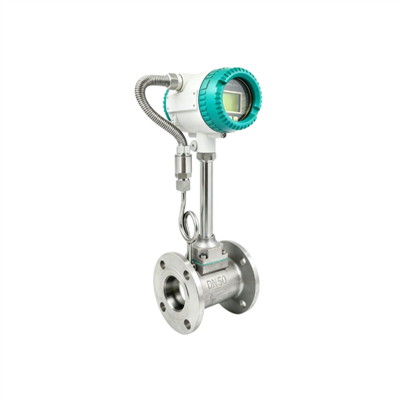
Let’s start with the basic anatomy of a rotameter. At its core, it’s a simple two-part device: a tapered tube (usually glass, but sometimes metal, plastic, or even ceramic for harsh environments) and a float, or “plunger,” that sits inside the tube. The tube is wider at the top than it is at the bottom—its interior diameter increases linearly from bottom to top. The float is a precision-machined object, often made of stainless steel, aluminum, or PTFE, depending on the fluid and operating conditions. It has a slightly larger diameter than the tube’s bottom opening, so it can’t slip out when flow stops, and it’s weighted to sit level rather than spin, making readings easy to take.
So how does this turn into a flow measurement? Think about when you first turn on a faucet: water flows out, and you adjust the handle to control how much comes out. In a rotameter, the process fluid enters the bottom of the tapered tube, rises up through the gap between the float and the tube wall, and exits out the top. When flow is zero, the float sits tight at the very bottom of the tube, blocking the path. As flow increases, the moving fluid exerts upward force on the float—this force is a combination of two things: the momentum of the moving fluid (dynamic pressure) and the upward push caused by the fluid displacing the float (buoyancy).
Here’s where the taper makes all the difference. As the float rises, the gap between it and the tube wall gets wider. That wider gap means less resistance, so the float stops rising once the upward force from the fluid equals the downward force of the float’s weight (adjusted for buoyancy). For a given flow rate, the float will settle at a fixed height. The height of the float is directly proportional to the volumetric flow rate of the fluid—this is the key relationship that makes rotameters work. If flow goes up, the gap widens, the float rises, and the reading on the tube’s printed scale (marked in gallons per minute, liters per hour, or whatever unit your process uses) moves up. If flow drops, the float settles lower, closing the gap until the forces balance again.
This balance of forces is the science behind the rotameter. Let’s break it down mathematically, for the engineers reading this: the upward force on the float comes from two components. First, the fluid’s dynamic pressure, which is related to its velocity squared, acts on the bottom of the float. Second, buoyancy: the float displaces a volume of fluid, so it experiences an upward force equal to the weight of the fluid it displaces. The downward force is simply the float’s weight minus any buoyancy acting on it (since it’s in the fluid). When the float is stationary, upward and downward forces are equal, so we can rearrange the equation to show that the height of the float is a function of flow rate, fluid density, and fluid viscosity. That’s why the scale on a rotameter is specific to a particular fluid—water, for example, will have a different scale than nitrogen gas, even for the same tube and float.
Now, not all rotameters are made the same, and that’s where my team and I as a flow meter supplier come in. Choosing the right type for your process isn’t just about grabbing the cheapest glass unit off a shelf. Let’s walk through the common variations and what they’re used for.
First, variable-area rotameters (the standard type most people mean when they say “rotameter”) use the tapered tube and float design I just described. Glass-tube models are the most common for low-pressure, low-corrosive fluids like water, air, or mild chemicals. The big advantage of glass is that it’s transparent—you can actually see the float, which makes it easy to spot issues like gas bubbles in liquid flow, or a stuck float from a buildup of sediment. But glass has limits: it can break if hit, and it’s not suitable for high-pressure or highly corrosive fluids like strong acids or solvents. For those, we offer metal-tube rotameters, which have a tapered metal tube and a float that’s often not visible. Instead, the float’s position is detected magnetically through the tube wall, and the reading is sent to a digital display or control system. That makes metal-tube rotameters ideal for harsh industrial processes, like oil and gas refineries, where high pressure or corrosive fluids are the norm.
Another common variation is the purge rotameter, used for small, precise flows—like the purge lines in chemical reactors, where you need to keep a small stream of nitrogen flowing to prevent contamination. These have very small tube diameters and tiny floats, designed to measure flow rates as low as a few milliliters per minute, instead of the hundreds of gallons per minute that standard rotameters can handle. We also offer variable-area rotameters with alarm switches, which trigger a signal if flow drops below or rises above a set point—great for processes that can’t tolerate flow deviations, like pharmaceutical manufacturing where consistent flow is required for drug formulation.
But wait—there are a few common myths about rotameters that I hear all the time, especially from customers who are new to flow measurement. First, some people think rotameters are only for gas, but they work equally well for liquids. The only difference is the scale: a rotameter calibrated for air will not give the correct reading for water, because gas is much less dense than liquid. That’s why it’s critical to specify the fluid when ordering a rotameter from your supplier—we can calibrate the scale for your exact process fluid, or provide a conversion chart if you need to measure a different fluid.
Another myth is that rotameters don’t need calibration. While they’re very stable over time, they do drift slightly, especially in processes with abrasive fluids or high temperatures. The float can wear down, or the tube can develop a small bend, which throws off the reading. That’s why we recommend annual calibration for most industrial processes, and every six months for processes with harsh conditions. We offer on-site calibration services as part of our flow meter support, so you don’t have to ship your device off to a third party and wait weeks.
So when should you choose a rotameter over other flow meters? It’s a good fit for applications where simplicity is key, cost is a concern, and you don’t need ultra-high accuracy (rotameters typically have an accuracy of 1-2% of full scale, which is more than enough for many processes). They’re also great for local indication—you don’t need a power source to read a glass rotameter; you can just glance at it from across the plant. That’s why they’re still found in so many legacy systems, and why we get so many requests to retrofit old rotameters with digital displays to add modern monitoring without replacing the whole device.
Of course, rotameters aren’t perfect. They’re not the best choice for high-pressure applications over 100 PSI, or for very large flow rates above a few thousand gallons per minute. For those, you’d be better off with a magnetic flow meter or a turbine flow meter. And because the scale is non-linear (it’s based on the square root of velocity, remember), the accuracy at low flow rates is lower than at high flow rates. If you need to measure very small flows, a mass flow meter would be more accurate, but that’s also a lot more expensive.
If you’re in the market for a rotameter, there are a few key factors to think about before you contact a supplier. First, what fluid are you measuring? Is it liquid or gas, what’s its density and viscosity, and is it corrosive? That will determine whether you need glass, metal, or plastic parts. Second, what’s your operating pressure and temperature? Glass can handle up to around 150 PSI and 200°F, but metal tubes can go much higher, up to 3000 PSI and 1000°F for high-temperature processes. Third, what flow rate range do you need? Don’t just pick a unit that covers your maximum flow—leave a 20-30% buffer for future changes in your process, so your rotameter isn’t operating at the very bottom of its scale, where accuracy is worst.

At the end of the day, a rotameter is more than just a basic flow meter—it’s a testament to the idea that sometimes the simplest designs are the most reliable. After 150 years, they’re still a staple in every industry because they do what they’re supposed to do, without a lot of extra complexity. If you’re looking for a rotameter for your process, or want to talk through whether a different type of flow meter is a better fit, don’t hesitate to reach out. Our team works with customers across industries to specify, calibrate, and install rotameters that meet their exact needs, no matter how unique their process is.
Vortex Flow Meter References
- ISO 9903:2019, Measurement of fluid flow in closed conduits — Variable area flowmeters for pipes — General principles.
- Baker, R. C. (2011). Flow Measurement Handbook: Industrial Designs, Operating Principles, and Performance. Cambridge University Press.
- Miller, R. W. (1996). Flow Measurement Engineering Handbook, 3rd Edition. McGraw-Hill.
- Federal Energy Management Program. (2020). Flow Meter Technology Fact Sheet: Variable Area (Rotameter) Meters. U.S. Department of Energy.
Dalian Yheng Technology Co., Ltd.
Dalian Yheng Technology Co., Ltd. is one of the leading flow meter manufacturers and suppliers in China, also supports customized service. We warmly welcome you to buy high quality flow meter in stock here from our factory. Contact us for more details.
Address: F1605, NO.10 Huoju road, High-tech Industrial Zone, Dalian, China
E-mail: admin@dlyheng.com
WebSite: https://www.yhengphmeter.com/
