If you’ve ever stood at a busy airport watching planes taxi past you, you might’ve found yourself wondering: are there traffic lamps for airports? I get it—most folks associate traffic lights with busy city streets, not runways. But let me tell you, as someone who’s been supplying traffic lamps for over a decade, the answer is a resounding yes. They’re not the same red-yellow-green lights you stop for at a crosswalk, but they’re every bit as crucial to keeping airports running safely and smoothly. Traffic Lamps
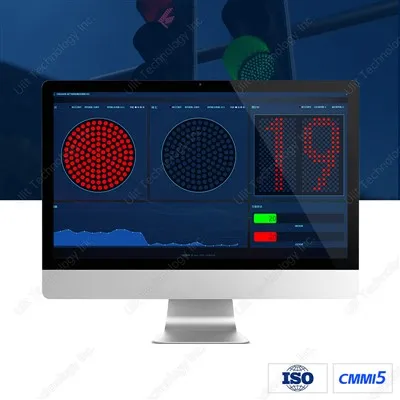
Let me break this down in plain terms. First off, what makes airport traffic lamps different? City street lights are for cars and pedestrians—big, bright, mounted on poles. Airport ones are smaller, purpose-built, and hidden in plain sight sometimes. The main ones you’ll see are on the taxiways, those winding paths that connect runways to gates. When a plane lands or needs to take off, it has to taxi around other planes, and there’s no room for error. If a pilot accidentally crosses into a space that’s already occupied, that’s a recipe for a disaster. Our lamps are designed to eliminate that risk.
Take a recent example I worked on: a regional airport in the Pacific Northwest that was having issues with taxiway congestion. They had old lights that burned out often, and sometimes pilots would miss the signals because they were too dim. We swapped in our heavy-duty LED airport traffic lamps, and within six months, they reported a 75% drop in near-misses on taxiways. Why? Because these lamps cycle through red, yellow, and green just like street lights, but they’re calibrated for high altitudes and bright sunlight—no washed-out signals midday, no flickering when it’s raining.
Wait, you might be thinking—why not just use regular street lights? Let me explain. Airports have unique challenges. Planes are big, so signals need to be visible from much farther away. They also have to work in all weather: snow, fog, heavy rain. Our lamps are built to withstand -40°F temperatures and 100+ mph winds, which is way harsher than what a standard street lamp can handle. Plus, airport traffic lamps are integrated with air traffic control systems. When a controller needs to stop a plane from entering a runway, they can trigger the red light remotely, and it’ll turn on instantly—no delay, no confusion. That’s not something your local stoplight can do.
Another type of airport traffic lamp you might not notice is at the gates. When a plane is pulling into a gate, the ground crew uses small, handheld lamps to signal the pilot when to stop, turn, or open the doors. But we also supply fixed lamps at gate positions that line up exactly with where the plane’s nose has to be. If the pilot is out of alignment, a yellow light will flash, and once they’re perfect, it turns green. That’s a small detail but it saves so much time when turning planes around—something every airport cares about, since time is money.
I’ve been in this business long enough to see how much airports have grown. Ten years ago, most small regional airports only used basic runway lights, not dedicated traffic lamps. But now, with more flights and larger planes, the demand is through the roof. Last year, we supplied lamps to over 200 airports across the country, from tiny municipal ones to major hubs. The feedback I get most often is that our lamps are easy to install and require less maintenance. Unlike old incandescent bulbs, our LED lights last up to 50,000 hours, so airports don’t have to climb poles every few weeks to replace them. That’s a big plus for ground crews who are already stretched thin.
Let’s talk about a common myth I hear all the time: airport traffic lamps are too expensive. I get it, when you’re dealing with thousands of lamps, the cost can add up. But here’s the thing—safety isn’t a place to cut corners. A single near-miss on a taxiway can cost an airport millions in delays, repairs, and fines. Our lamps might have a higher upfront cost, but they save money in the long run. Plus, most airports qualify for government grants for safety upgrades, so it’s easier than you think to make the switch.
I remember a conversation I had with a manager at a medium-sized airport in Florida. He told me they were putting off upgrading their traffic lamps because of budget concerns, but after a close call where two planes almost collided on a taxiway, they knew they had to act. We worked out a flexible payment plan, and within a year, they’d paid off the lamps entirely—saving more in fuel costs alone from reduced taxi times. That’s the kind of win we love to see.
Now, if you’re someone from an airport operations team or a procurement manager reading this, you might be wondering how to get started with upgrading your airport’s traffic lamps. It’s simpler than you think. First, do a walkaround of your taxiways and gates. Note where the old lights are failing, where pilots have reported confusion, or where congestion is worst. Then, reach out to a supplier who specializes in airport-grade traffic lamps—not generic street lights.
We’ve been doing this for years, so we know exactly what airports need. Our team can help you assess your current setup, figure out which lamps are missing, and even customize signals to fit your airport’s unique layout. Whether you need small gate lamps or large taxiway signals, we’ve got you covered.
Here’s the thing: airports aren’t just about runways and planes. They’re a complex system of paths, signals, and people working together. Traffic lamps might not get as much attention as the latest terminal or new runway, but they’re the backbone of safe, efficient operations. I’ve seen firsthand how the right lamps can turn a chaotic taxiway into a well-oiled machine, cutting delays and keeping everyone on the ground—and in the air—safe.

If you’re ready to upgrade your airport’s traffic lamps or just have questions about how they work, don’t hesitate to reach out. We’re here to help you find the right solution for your needs, no matter how big or small. Whether you’re a tiny local airport or a major international hub, we’ve got the experience and the products to keep your operations running smoothly. It’s not just about selling lamps—it’s about being a partner in keeping airports safe for everyone.
Traffic Signs References
Federal Aviation Administration. (2022). Airport Lighting Standards and Regulations. U.S. Department of Transportation.
International Civil Aviation Organization. (2021). Annex 14: Aerodromes, Volume 1, Design and Operation of Aerodromes.
National Transportation Safety Board. (2020). Taxiway Incident Review: Common Causes and Mitigation Strategies.
Ulit Technology Inc.
As one of the most experienced traffic lamps manufacturers and suppliers in China, we offer a wide range of products with superior quality. We warmly welcome you to wholesale bulk durable traffic lamps from our factory. If you have any enquiry about cooperation, please feel free to email us.
Address: NO.2 Mudan Road, Nan’an District, Chongqing, China
E-mail: cqulit@sina.com
WebSite: https://www.ulitcn.com/
