If you’ve ever filled up a car with ethanol-blended gas, powered a heating system with biodiesel, or wondered how agricultural waste gets turned into fuel that burns cleaner than petroleum, you’ve probably thought about biofuels—one of the most promising tools in our transition away from fossil fuels. But what most people don’t stop to consider is that none of that conversion would happen without catalysts. These unassuming chemical workhorses don’t get used up in reactions, but they cut down the energy needed, speed up production, and make the final product consistent and safe for use in engines. As a catalyst supplier who’s worked with biofuel producers for over a decade, I’ve seen firsthand how the right catalyst can turn a lab-scale idea into a scalable, cost-effective solution that moves whole industries forward. Catalyst

First, let’s ground this in what biofuels are, because their classification directly dictates the catalysts needed. There are two main generations: first-generation biofuels, made from food crops like corn and sugarcane, and second-generation biofuels, made from non-food biomass like wood chips, agricultural residues, and even algae. More recently, we talk about advanced biofuels, which use waste plastic or CO₂ as feedstocks, and each category needs a different set of catalysts tailored to their unique molecular structures.
Let’s start with the most common first-generation biofuel: ethanol. Ethanol is made by fermenting sugars from corn or sugarcane, but wait—there’s a catalyst step here too. The fermentation itself uses enzymes, which are biological catalysts, but before that, for corn specifically, you need to break down the tough starch molecules into simple sugars that yeast can ferment. That step uses alpha-amylase and glucoamylase, two enzymes that are critical for unlocking the sugars hidden in starch. I’ve worked with dozens of ethanol producers over the years who originally used generic enzyme blends, only to switch to custom-formulated enzymes that cut their conversion time by 20% and reduced waste by 15%. The key here is that these enzymes aren’t one-size-fits-all; different corn varieties have slightly different starch structures, so a catalyst supplier that tests and tailors blends to a producer’s feedstock can make a huge difference in yield.
Then there’s biodiesel, the other major first-generation biofuel, which is made from vegetable oils or animal fats. The process here is transesterification: you take triglycerides (the main component of oils and fats) and react them with an alcohol, usually methanol, to make fatty acid methyl esters (FAME)—that’s biodiesel—plus glycerin as a byproduct. For years, most producers used homogeneous catalysts like sodium hydroxide or potassium hydroxide for this reaction. These are cheap, easy to use, but they have major downsides: they’re corrosive, they require careful handling to avoid side reactions, and they bind to the glycerin byproduct, making it hard to purify and sell. A few years back, I had a biodiesel producer come to me frustrated because their glycerin was contaminated, so they were only getting half the value from their process. We suggested a heterogeneous catalyst, specifically a solid acid or solid base catalyst, which doesn’t dissolve in the reaction mix. The result? They cut purification steps for glycerin by 80%, reduced catalyst waste by 70%, and their overall production cost dropped by 12% in the first year. Heterogeneous catalysts are a game-changer here because they’re easier to separate from the final product, reusable for dozens of batches, and less harsh on equipment. The tradeoff, though, is that they require higher reaction temperatures and pressures, so producers need to adjust their reactors—but the long-term savings almost always outweigh that initial adjustment.
Now, second-generation biofuels are where things get really interesting, because they solve the food vs. fuel debate that first-generation fuels sparked. These use lignocellulosic biomass, which is the tough, fibrous material that makes up plant cell walls—think wheat straw, wood waste, or switchgrass. Lignocellulose is made of three main parts: cellulose, hemicellulose, and lignin. To turn this into fuel, you first need to break it down into sugars, but lignin is super tough to crack, and the process generates a lot of unwanted byproducts that can poison catalysts. That’s where specialized catalysts come in. For pre-treatment of lignocellulose, many producers use acid catalysts—like sulfuric acid, but more recently, solid acid catalysts that are less corrosive. Then, for breaking down cellulose into sugars, we have a mix of enzymes similar to those used for corn, but again, tailored to the tough structure of lignocellulose. The biggest challenge here is lignin conversion; most producers burn lignin for energy on-site, but if we can turn it into fuel, we can double the yield from a single feedstock. That’s where advanced catalysts, like noble metal-supported catalysts, come in. These use metals like palladium or platinum on a solid support, and they can break down lignin into aromatic compounds that can be turned into jet fuel or diesel. A few years ago, I partnered with a startup that was producing lignin-based jet fuel, and we supplied them with a custom palladium-based catalyst that doubled their lignin conversion rate from 25% to 50%. The catch with these noble metal catalysts, though, is that they can be expensive, so they have to be designed to be reusable—something we work hard to optimize, extending their lifespan from a few uses to hundreds.
Advanced biofuels, the newest category, take this even further. These include fuels made from waste plastic, CO₂, or even municipal solid waste. For plastic-to-fuel, the main process is pyrolysis, which breaks down large plastic molecules into smaller ones, but you need a catalyst to control the molecular size and make the final fuel compatible with existing engines. Zeolites are the go-to here—they’re porous aluminosilicate minerals with tiny, uniform pores that act like a molecular sieve, letting only certain sized molecules pass through. Zeolite catalysts can be tailored to control the final fuel blend: make it more gasoline-like, or more diesel-like, with minimal adjustments. For CO₂-to-fuel, which is a carbon-negative process, you use catalysts that can convert CO₂ and hydrogen into hydrocarbons. Metal oxide catalysts, like copper-zinc-aluminum, are commonly used here, as well as more novel ones like perovskites. These reactions are still in early commercial stages, but I’ve been working with a few R&D teams on scaling these catalysts, and the progress over the last three years has been incredible—what once took 24 hours to get a 10% conversion rate now takes 2 hours and gets 40% conversion, thanks to better catalyst design.
One thing I’ve learned in my years as a catalyst supplier is that biofuel production is changing fast, and so are the needs of producers. Ten years ago, everyone wanted catalysts that were cheap and easy to use. Today, they want catalysts that are sustainable themselves—catalysts that don’t generate toxic waste, that are made from recycled materials, and that don’t require rare earth metals whose supply chains are shaky. For example, many of my clients are switching from platinum-based catalysts to catalysts made from more abundant metals like nickel or iron, as long as we can maintain the same conversion rate. We also work with producers to develop catalysts that can handle variable feedstocks, because a lot of second-generation producers use a mix of agricultural waste, wood chips, and even construction wood waste. A catalyst that works great with pure wheat straw might not work as well if there’s a bit of plastic or paint residue in the feedstock, so we test our catalysts with their exact feedstock samples to make sure they’re robust enough.
Another key point is that catalyst selection isn’t just about performance—it’s about integrating with a producer’s existing process. I’ve had producers come to me with a new reactor they’re building, and we’ll design a catalyst specifically to fit that reactor’s temperature and pressure settings, rather than making them adjust their whole process. For example, one mid-sized ethanol producer was retrofitting their existing plant to add cellulosic ethanol production, so we developed a glucoamylase enzyme blend that worked at their existing fermentation temperature, saving them hundreds of thousands of dollars in new equipment costs. That kind of partnership is what makes catalysts successful, not just selling a product off a shelf.
Of course, there are still challenges in biofuel catalyst development. Lignin conversion is still inefficient for most producers, and CO₂-to-fuel catalysts are still too expensive for large-scale use. But that’s where the industry is moving—we’re constantly refining our catalysts to be more efficient, more sustainable, and more adaptable. As the demand for net-zero transportation fuels grows, the role of catalysts will only become more critical. Without them, biofuels would be more expensive, lower-yield, and less versatile, unable to compete with fossil fuels.
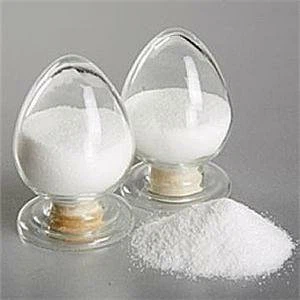
If you’re a biofuel producer looking to improve your yield, cut costs, or scale your process, I’ve seen how the right catalyst can make that happen. Whether you’re making ethanol, biodiesel, second-generation lignocellulosic fuel, or testing advanced CO₂ or plastic-based fuels, we can work together to develop a custom catalyst solution tailored to your feedstock, your equipment, and your production goals. Reach out to our team to start a conversation about how we can help you optimize your process and grow your business in the fast-evolving biofuel market.
Cosmetic Chemical Raw Material References
- Zhang, X., et al. (2021). Advanced catalysts for lignocellulosic biofuel production: A review. Energy & Environmental Science, 14(5), 2897-2932.
- Knothe, G., et al. (2017). Biodiesel production: Transesterification and recent advances. Progress in Energy and Combustion Science, 59, 101-133.
- Liu, Y., et al. (2022). Catalytic conversion of plastic waste to fuels: Zeolite-based catalysts and process optimization. Applied Catalysis B: Environmental, 301, 120789.
- Davis, R. J. (2019). Heterogeneous catalysts for biofuel synthesis. ACS Catalysis, 9(10), 8942-8960.
- Li, J., et al. (2023). Copper-based catalysts for CO₂-to-liquid fuel conversion: Recent advances and challenges. Journal of Catalysis, 422, 118-135.
Shandong Hefan Chemical Products Co., Ltd.
As one of the most professional catalyst manufacturers and suppliers in China, we’re featured by quality products and good price. Please rest assured to buy bulk catalyst made in China here from our factory. Also, quotation is available.
Address: QIANZHAO BUSINESS BUILDING NO. 709LUOZHAO ROAD,TIANQU INDUSTRY ZOON, DEZHOU, SHANDONG, CHINA
E-mail: sales@hefanchem.com
WebSite: https://www.hefanchem.com/
