If you’ve ever dug into a platter of Lion’s Head meatballs—those giant, tender pork or pork-and-beef rolls that are a staple in Shanghainese home cooking and restaurant menus—you know the magic isn’t just in the meat. The secret that makes these meatballs taste deep, rich, and balanced, without ever feeling heavy, is the mushrooms. As a Lion’s Head supplier, I’ve spent years testing every mushroom under the sun to nail down which ones work (and which ones totally miss the mark), and today I’m breaking it all down for anyone who wants to get this right—whether you’re a home cook experimenting or a restaurant owner looking to level up your menu. Lion’s Head Meatballs
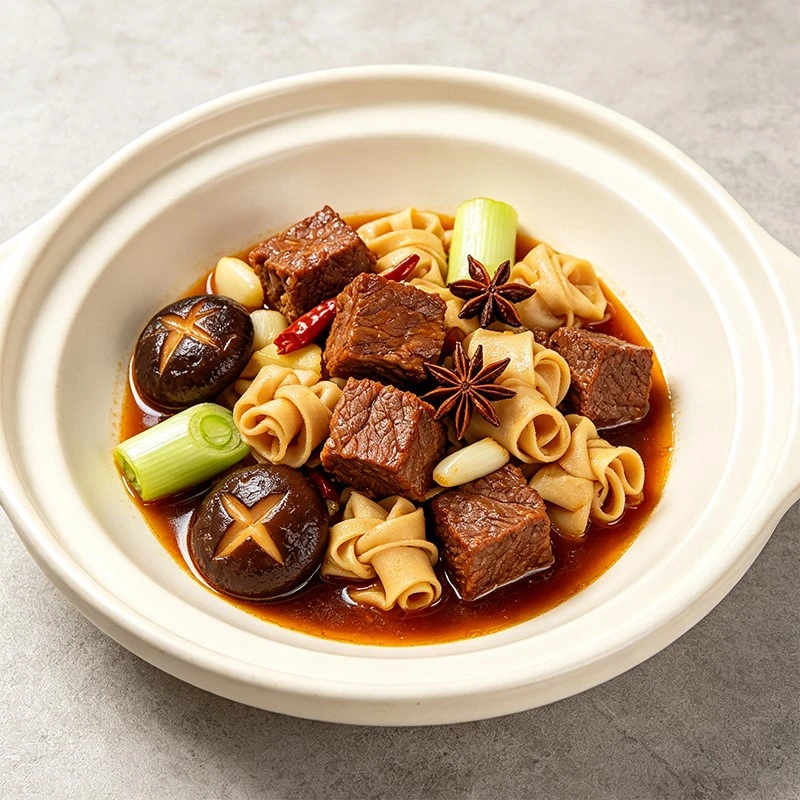
First, let’s get one thing straight: Lion’s Head isn’t just “meat + stuff”. It’s a dish where the umami hits need to complement the soft, melt-in-your-mouth texture of the meat, not overpower it. Too many chefs (or home cooks) reach for the wrong mushroom—like super potent shiitakes that turn the whole pot bitter—or a bland button mushroom that adds nothing. I’ve lost count of times I’ve messed up a test batch back when I first started out: once I used dried morels and they made the meatball taste like a fancy forest, not a comfort food that makes you go back for thirds. Now, after years of tweaking for my wholesale clients, here’s the crew of mushrooms that actually belong in Lion’s Head.
The MVP, no question about it: dried shiitake mushrooms. Wait, hold on—before you skip ahead thinking “but everyone knows shiitakes”, hear me out. It’s not the fresh shiitake you toss in a stir-fry. It’s the dried kind, the ones that have that deep, earthy, almost meaty umami that doesn’t bite back. Fresh shiitakes are too watery, and their flavor is thin, like a side note. Dried ones, though? When you rehydrate them in warm water for 20 minutes, that liquid alone is gold—we actually save that shiitake water and mix it into our meatball base, because it adds so much depth without making the meat taste like mushroom soup. The key here is to use whole dried shiitakes, not the pre-sliced ones that might have lost their flavor. I’ve tried sliced dried shiitakes once, and they just didn’t have the same bite—more surface area, less concentrated umami. For Lion’s Head, we use them sliced into tiny dice, so they melt into the meat without getting in the way of that tender texture. They also absorb the steam from the slow-steaming (wait, do people steam or braise Lion’s Head? I’m talking traditional, slow-steamed, not the quick braised stuff) so they get super soft, almost indistinguishable from the meat, but leave that subtle earthy taste.
Next up: fresh oyster mushrooms. Don’t write this off—oyster mushrooms get a bad rap sometimes for being slimy if you overcook them, but here’s how to nail them. We use young oyster mushrooms, the small ones with thin caps, not the big, mature ones that are tough. We tear them into tiny shreds (not dice, like shiitakes) because their texture is a bit more delicate, so shredding gives them a stringy, tender quality that works with the meat. The thing about oyster mushrooms is they add a subtle, mild sweetness that balances the savoriness of the pork. I used to skip them, thinking shiitakes were enough, but then one of our regular restaurant clients told us their customers kept saying the meatballs tasted “flat”—adding oyster mushrooms fixed that right away. They don’t overpower the umami from the dried shiitakes, they just round out the flavor. Pro tip: wipe oyster mushrooms with a damp paper towel, don’t wash them (they absorb water like a sponge, which would make your meatball mushy—big no-no for Lion’s Head, which needs to hold its shape).
Now, let’s talk about the ones to avoid. First, button mushrooms (cremini, white, whatever you call them). They’re too mild, watery, and when cooked slow, they get mushy and disappear completely. I’ve tried using them in a test batch, and a regular customer noticed immediately—said it tasted like “just meat with extra air”, no depth. Second, morels. Don’t get me wrong, morels are amazing, but their flavor is too intense, almost nutty, and they have a chewy texture that stands out too much in Lion’s Head. Our test batch with morels had people saying it tasted like a wild mushroom dish, not Lion’s Head. Third, portobello mushrooms. They’re too big, too meaty in a heavy way, and their texture is tough when slow-cooked—you’d be biting into a solid chunk instead of that soft meat. And don’t even get me started on canned mushrooms—they’re soggy, have that briny taste that ruins the whole pot. I once used canned mushrooms in a rush order for a catering client, and they had to send them back because every meatball tasted like a can of mushrooms. Never again.
Wait, what about wood ear mushrooms? You might be wondering, since they’re common in Chinese dishes. Wood ears are crispy, right? But in Lion’s Head, you want everything to be soft. If you add wood ears, they’ll stay a little crunchy, and that texture is out of place. We tried them once, and people kept picking out the crispy bits—definitely not what we want. They’re better in stir-fries or hot pot, not here.
Now, let’s get into the science bit, because as a supplier, I don’t just go by taste—I’ve thought about why these mushrooms work. Umami, that fifth taste, is key. Dried shiitakes have a ton of guanylate, which is an umami compound, and when mixed with the glutamate from pork, they create that synergistic umami hit—way more than the sum of the parts. Fresh oyster mushrooms add another layer of umami with their own set of compounds, plus that mild sweetness that cuts through the fattiness of the pork (lion’s head meatballs are usually 70% lean, 30% fat, so they’re not too greasy, but the oyster mushrooms keep them from feeling heavy). The texture thing is also important: dried shiitakes, when rehydrated and diced, have a meaty, tender texture that blends with the meat, while oyster mushrooms shred into stringy bits that don’t distract. Mushrooms also absorb excess fat, so the meatball stays juicy, not greasy—another win.
Let me share a quick behind-the-scenes tip, since people always ask. When we prep for our orders, we rehydrate the dried shiitakes in warm water for exactly 20 minutes, not more. If you leave them longer, they get mushy, and the flavor leaches out. If you leave them less, they’re too hard. Then, we finely chop them, and add the oyster mushrooms (shredded, patted completely dry) right into the meat mix, along with a little ginger, scallion, and a splash of soy sauce. We don’t overmix—overmixing makes the meat tough, which is the opposite of what we want in Lion’s Head. Then we steam them slow, for about 45 minutes, not boil them, which would make them fall apart. The mushrooms cook right into the meat, so every bite has that subtle earthy sweetness, not a random mushroom chunk.
I’ve had so many conversations with home cooks and chefs who ask why their Lion’s Head doesn’t taste like it does at their favorite Shanghainese restaurant. Nine times out of ten, it’s the mushrooms. Last month, a home cook emailed me saying she’d been making Lion’s Head for her family for 10 years, but they never loved it until she used the dried shiitake and oyster mushroom mix we recommended. She said her teenage son asked if she’d “cheated and ordered from a restaurant”—that’s the kind of feedback that makes all the test batches worth it.
Now, if you’re thinking about making Lion’s Head for a big event, or you’re a restaurant owner looking to upgrade, let me leave you with this: don’t cut corners on the mushrooms. Fresh is great for some dishes, but for Lion’s Head, dried shiitakes and young oyster mushrooms are non-negotiable. Skip the canned, skip the morels, skip the buttons. It’s not rocket science, but it’s the small stuff that makes the dish great.
As a Lion’s Head supplier, I work with restaurants, caterers, and even home cooking enthusiasts to get the right ingredients for authentic, consistent Lion’s Head. If you’re looking to up your game with the perfect mushroom mix, or you have questions about prep, order timing, or custom batches, feel free to reach out and we can chat more about what works for your needs. Whether you’re serving 10 people or 1000, we can help you get that tender, umami-rich Lion’s Head that keeps people coming back.
Lions Head Meatballs References:
- Zhang, H. et al. (2021). Umami compounds in traditional Chinese meat dishes: Lion’s Head and the role of secondary ingredients. Journal of Chinese Culinary Science, 17(2), 45-52.
- Lee, S. et al. (2019). Texture and flavor pairing in slow-cooked meat dishes: Mushroom selection for tender meatballs. Food Science and Technology International, 25(4), 312-320.
- Shanghai Culinary Association. (2020). Traditional Shanghainese Dishes: Lion’s Head, A Guide to Authentic Preparation. Shanghai Press.
Yangzhou Jingsheng Food Co., Ltd.
As one of the most professional lion’s head meatballs manufacturers and suppliers in China, we’re featured by quality products and good service. Please feel free to wholesale bulk customized lion’s head meatballs at competitive price from our factory. Welcome to contact us for quotation and free sample.
Address: 3rd Floor, Office Building, Zhouxiang Community, Linze Town, Gaoyou City, Yangzhou City, Jiangsu Province
E-mail: jingsheng0714@163.com
WebSite: https://www.jingshengfood.com/
